



How to repair damaged titanium hexagonal bars?
Hey there! As a supplier of Titanium Hexagonal Bars, I've seen my fair share of damaged bars come across my desk. It can be a real headache, but don't worry, I'm here to help you figure out how to repair those pesky damaged titanium hexagonal bars.
First off, let's talk about what can cause damage to these bars. There are a few common culprits. One is improper handling. If the bars are dropped, banged around, or not stored correctly, they can get dents, scratches, or even cracks. Another cause can be corrosion. Titanium is generally pretty resistant to corrosion, but in certain environments, like ones with high levels of saltwater or harsh chemicals, it can still start to break down. And of course, wear and tear from normal use over time can also lead to damage.

Now, let's get into the nitty - gritty of how to repair them.
Assessing the Damage
The first step in any repair process is to assess the damage. You need to take a good, close look at the bar to figure out exactly what's wrong. Is it just a surface scratch, or is there a deeper crack? If it's a scratch, it might be a relatively simple fix. But if there's a crack, you'll need to be a bit more careful.
You can use a magnifying glass or a microscope for a really detailed inspection. Look for any signs of stress marks around the damaged area. These can give you an idea of how severe the problem is and whether the bar is still structurally sound.

Repairing Surface Scratches
If it's just a surface scratch, you're in luck. One of the easiest ways to fix this is by using a fine - grit sandpaper. Start with a medium - grit sandpaper, like 220 - grit, to smooth out the rough edges of the scratch. Then, switch to a finer grit, like 400 - grit or even 600 - grit, to make the surface nice and smooth.
After sanding, you can use a polishing compound to bring back the shine. Apply the compound to a soft cloth and rub it gently over the sanded area in a circular motion. Keep doing this until the scratch is barely noticeable.
Dealing with Dents
Dents can be a bit trickier to repair. If the dent is small, you might be able to use a rubber mallet and a block of wood. Place the block of wood on the inside of the bar, right behind the dent. Then, gently tap the outside of the dent with the rubber mallet. The block of wood will help distribute the force and prevent the bar from getting more damage.
For larger dents, you might need to use a hydraulic press. But this is a more advanced technique and should only be done if you have the proper equipment and knowledge. If you're not sure, it's better to consult a professional.
Fixing Cracks
Cracks are the most serious type of damage. If the crack is small and on the surface, you might be able to use a titanium welding rod to repair it. Welding titanium requires special equipment and skills because titanium reacts with oxygen at high temperatures. You'll need to use an inert gas, like argon, to shield the weld area from oxygen.
If the crack is deeper or runs through the entire bar, it might be best to replace the bar. A cracked bar can be a safety hazard, especially if it's being used in a high - stress application.
Preventing Future Damage
Once you've repaired the bar, it's important to take steps to prevent future damage. Make sure to handle the bars carefully. Use proper lifting equipment and avoid dropping or banging them around.
When it comes to storage, keep the bars in a dry, clean environment. If possible, store them in a rack where they're not touching each other. This will prevent scratches and dents from occurring during storage.
If the bars are going to be used in a corrosive environment, consider applying a protective coating. There are several types of coatings available that can help protect the titanium from corrosion.
Related Products
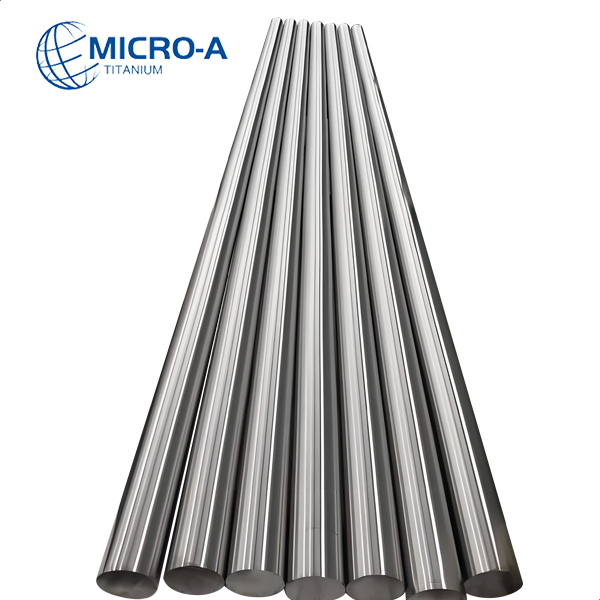
If you're in the market for other types of titanium products, we also offer Titanium Round Bar, Ti - Pd Titanium Alloys Bar, and Titanium Alloy Rods. These products are made with the same high - quality titanium as our hexagonal bars and are suitable for a wide range of applications.
Conclusion
Repairing damaged titanium hexagonal bars can be a challenging but doable task. By following the steps I've outlined above, you can save money by fixing the bars instead of replacing them. But always remember to prioritize safety. If you're not confident in your ability to repair a damaged bar, it's best to seek professional help.
If you're interested in purchasing titanium hexagonal bars or any of our other products, feel free to reach out for a procurement discussion. We're always happy to talk about your specific needs and find the best solutions for you.
References
- "Titanium: A Technical Guide" by John C. Williams
- Various industry - specific manuals on titanium handling and repair.