




ASTM B348 Titanium Bar: Properties, Grades, and Industrial Application
Engineers and acquisition specialists always look at ASTM B348 titanium bars when they are looking at different materials for important industrial parts. This internationally known standard spells out the requirements for annealed titanium and titanium alloy bars that are used in the medical, aerospace, chemical processing, and car industries. The ASTM B348 standard gets rid of the risks that come with inconsistent materials by setting strict limits on their chemical make-up and mechanical strength. This makes sure that they work reliably in high-stress situations where failure is not an option.
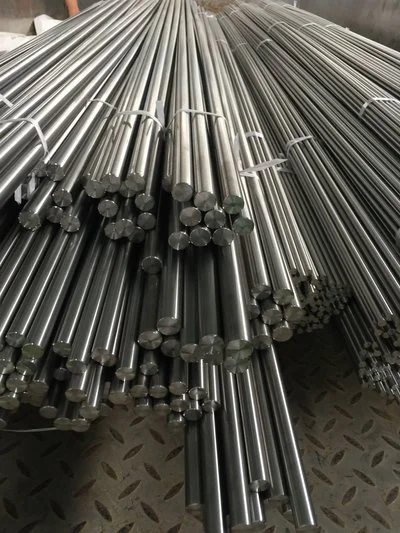
Understanding ASTM B348 Titanium Bar Specifications and Properties
Chemical Composition Across Key Titanium Grades
There are both commercially pure (CP) grades and alloyed grades in the ASTM B348 titanium bars standard. Each grade is made to meet the needs of a particular purpose. Grade 2 titanium, which is often called the "workhorse" of the industry, has few flaws and can be cold shaped and welded very well. This grade isn't alloyed, so it stays below 0.25% oxygen. This makes it good for chemical handling equipment where the purity of the material directly affects how well it resists rust.
Grade 5, which is also known as Ti-6Al-4V, is the most common titanium metal in the world, making up about half of all titanium used. The aluminum element makes it stronger and lighter, and the vanadium stabilizes the beta phase, which makes it more stable at high temperatures. Grade 7 has between 0.1 and 0.25% palladium in it, which makes it very resistant to reducing acids and crack corrosion in coastal settings. These differences in makeup let procurement managers perfectly match the qualities of materials to the needs of operations.
Mechanical Performance Parameters
The mechanical qualities spelled out in ASTM B348 make sure that the behavior can be predicted when it is loaded. Grade 2 titanium bars have a minimum tensile strength of 345 MPa and a yield strength of 275 MPa. They are very flexible and can stretch more than 20%. Because of these features, unalloyed grades are perfect for uses that need complicated shaping or soldered parts.
With a minimum tensile strength of 895 MPa and a yield strength of 828 MPa, Grade 5 titanium bars are much stronger than Grade 4 bars. The material stays flexible enough with a minimum stretch of 10% to support machining processes while keeping the structure strong. The ratio of strength to weight is higher than that of many steel alloys, which means that similar structure parts can be made lighter by 40 to 60 percent.
Heat Treatment and Microstructural Control
ASTM B348 heat treatment procedures usually include heating conditions to reduce stresses inside the metal from forging. When unalloyed grades are annealed, the temperature ranges from 650°C to 750°C, and controlled cooling rates stop grain growth. Solution treatment and age (STA) methods can be used on Grade 5 bars to make them stronger than 1100 MPa, but they lose some of their flexibility in exchange.
The nanoscale has a direct effect on how the mechanical system works. When Grade 5 is annealed, it shows a mixed alpha-beta structure, with the main alpha phase giving it flexibility and the changed beta phase giving it strength. When you use the right thermal processing, you make sure that the grain sizes are spread out evenly. This gets rid of any weak spots that could cause fatigue cracks to spread in settings with repeated loads.
Corrosion Resistance Mechanisms
Titanium is very resistant to corrosion because it quickly forms a steady, protected layer of titanium dioxide (TiO₂) on any surface that is exposed to air. This passive film heals itself in oxidizing conditions, putting back together right away if it gets broken. Chloride stress corrosion cracking can't happen to ASTM B348 bars at all, which is a problem that happens a lot with stainless steels in chemical processing and naval uses.
Grade 7 bars work really well in reducing acids like sulfuric and hydrochloric acids. The palladium helps make a passive film even when there isn't much air around. This quality is very important for oil and gas equipment that works in sour gas (H₂S) settings, where normal materials break down quickly.
Comparative Analysis: ASTM B348 Titanium Bar vs Other Materials
Performance Against Aerospace Specifications
For Ti-6Al-4V bars, ASTM B348 titanium bars is the basic industry standard, and AMS 4928 is the standard for aircraft applications. Trace elements are limited in more ways by the AMS standard, and stricter mechanical testing rules are needed. When buying things for aerospace uses, procurement teams need to make sure that the ASTM B348 Grade 5 bars they're looking at also meet the standards of AMS 4928. This is because not all industrial-grade materials can be used for airplane structural use.
In critical situations, the difference is important. AMS 4928 requires tighter limits on hydrogen content (usually less than 125 ppm) to stop hydrogen from weakening the material during high-cycle wear loads. This extra control costs more, but it makes sure that safety-critical aircraft parts like landing gear and engine mounts are reliable.
Grade 2 vs Grade 5 Selection Criteria
When picking between Grade 2 and Grade 5 titanium bars, you have to weigh the need for strength against the need for shapeability and cost. Grade 2 is the best choice for chemical processing tanks, heat exchangers, and pipe systems because it is easier to weld and doesn't rust. It also costs less. The lower strength limits the design options for structural uses but makes the making process easier.
Grade 5 bars cost more to make, but they allow designs that keep part weight low while still meeting structural load standards. Grade 5 is what aerospace engineers use for parts of the airframe, bolts, and the hydraulic system where the strength-to-weight ratio directly affects how much fuel is used. The alloy also works well in high-temperature situations up to 400°C, which is higher than the maximum temperature that unalloyed grades can handle.
Comparison with Stainless Steel Alternatives
Stainless steel bars are cheaper to buy at first, but in acidic settings, they often don't last as long or be as valuable overall as titanium. A straight comparison shows that Grade 2 titanium bars don't get pitted or corrode in crevices when they're used in saltwater, where 316L stainless steel needs to be replaced all the time. The higher initial cost of titanium material is often justified by the fact that it doesn't need to be maintained as often and lasts longer.
In mobile apps, the weight edge is very important. Grade 5 titanium bars are about 60% lighter than steel parts that are the same size and shape. This means that they can be used in cars with higher engine speeds because they don't have to support as much weight. This trait is used by racing teams and electric car makers to improve power-to-weight ratios and increase battery range by lowering mass.
Industrial Applications and Use Cases of ASTM B348 Titanium Bar
Aerospace Structural Components
Manufacturers of airplanes cut ASTM B348 titanium bar stock into important structural parts like wing spars, bulkhead fittings, and landing gear parts. It can handle being loaded and unloaded repeatedly during flying movements and pressurization cycles without cracking, so it will work reliably for decades. Manufacturers of fasteners make titanium bolts and screws from bar stock because the material doesn't galle and doesn't corrode in aluminum aircraft parts.
Chemical Processing and Marine Equipment
Titanium bars are used to make compressor blades and spacers in the cooler parts of gas turbine engines. The low thermal expansion rate keeps efficiency high across a wide range of working temperatures by reducing changes in clearance during thermal cycling. These uses show that the material can meet the needs for power, resistance to fatigue, and long-term reliability in harsh environments all at the same time.
Chemical companies use ASTM B348 titanium bar Grade 2 and Grade 7 titanium bars for parts that deal with toxic media, like valve stems, pump shafts, and the inside of reactor vessels. The material keeps its shape in hot chlorine service, making chlorate, and making bleach, all of which are processes that quickly wear down stainless steels. When figuring out how long a part will last and how often it needs to be maintained, process engineers use the ASTM B348 standards to predict how it will corrode.
Medical Implants and Surgical Instruments
Titanium bars are machined by people who work on offshore platforms into riser parts, wellhead equipment, and underwater control systems that are exposed to production fluids and seawater. Grade 7 material stops crevice corrosion in threaded and bolted connections, which gets rid of a typical way for naval buildings to fail. Because it is strong and doesn't rust, designers can make walls thinner, which lowers the weight of the system and the cost of installation.
ASTM B348 Grade 5 and Grade 23 (ELI) bars are used in the medical device business to make orthopedic implants, dental fixtures, and surgery instruments. The biocompatibility of the material comes from the solid oxide layer that keeps metal ions from getting into body fluids. Hip and knee replacement makers make femoral stems and tibial plates from bar stock. They trust that the material's wear strength will keep it strong for millions of loading cycles while the patient moves.
High-Performance Automotive Components
The mix of strength and corrosion protection in sterilization settings is important to companies that make surgical instruments. Titanium bars can be made into precise tools with edges that stay sharp even after many autoclaving cycles, while stainless steel options lose their shape or rust. The material is also compatible with magnetic resonance imaging (MRI), which means that it can be used for tests after surgery without creating artifacts.
Grade 5 titanium bars are used to make connecting rods, valve springs, and suspension parts for race teams and companies that make high-performance cars. Because there is less mass moving back and forth inside the engine, the redline speed can be raised and the power reaction is better. Racing rules often limit the materials that can be used, so meeting ASTM B348 standards is necessary to be allowed in competition.
Titanium bars are used by the people who make electric cars to make the battery packs and the vehicles' frames stronger and lighter. This directly increases the range of the vehicles. The high specific strength of the material lets smaller parts meet crash safety standards while keeping the vehicle's weight as low as possible. Titanium bars are used for hanger brackets and fixing gear in automotive exhaust systems. This is because they are resistant to heat and corrosion in underbody conditions.
Procurement Guide for ASTM B348 Titanium Bars
Supplier Qualification and Certification Requirements
A thorough evaluation of suppliers, focused on quality control systems and industry certifications, is the first step to successful procurement of ASTM B348 titanium bars. Suppliers must first show that they comply with ISO 9001, and for aircraft uses, they must also show that they comply with AS9100. Medical device makers should check that their suppliers are registered with ISO 13485 and make sure that their suppliers follow the right steps for making medical products.
It is necessary for titanium bar materials to be able to be tracked. Suppliers you can trust give you EN 10204 3.1 Mill Test Certificates (MTC) that connect the heat number of each bar to the results of chemistry tests and mechanical tests. These papers let procurement teams check that materials meet ASTM B348 standards and keep full records of their history for businesses that are controlled. Ultrasonic screening and dye penetrant testing are examples of non-destructive testing (NDT) methods that can be used to improve quality for important purposes.
Custom Sizing and Fabrication Capabilities
Standard bar diameters are between 6mm and 250mm, and lengths can go up to 6 meters. However, for many uses, special sizes or areas that need to be ground very precisely are needed. With centerless grinding tools, suppliers can get tight diameter tolerances of h7, h8, or h9, which means they don't have to do any extra cutting. In high-volume production settings, being able to define unique lengths cuts down on waste and costs.
Manufacturers should find out what kinds of heat treatments are available, especially solution treating and age (STA) services for Grade 5 material that needs to be stronger. Having access to vacuum ovens keeps the surface from getting dirty during thermal processing, which keeps the corrosion resistance that is so important to titanium's performance benefits. When suppliers offer integrated CNC machining services, they can deliver near-net-shape parts. This cuts down on supply lines and the costs of keeping goods on hand.
Lead Time Planning and Inventory Management
Titanium bars are made in several steps, starting with sponge reduction and continuing with casting and heat treatment. For made-to-order materials, the process usually takes 8 to 12 weeks. To balance inventory costs and supply consistency, procurement experts in charge of just-in-time manufacturing should set up blanket purchase orders with planned releases. Suppliers who keep popular types and sizes in stock can offer shorter shipping windows of two to four weeks.
Different suppliers have different minimum order numbers, but for normal grades, they are usually between 100 kg and 500 kg. When buyers combine purchases from multiple projects, they can get better prices by committing to larger orders, and sellers can make more money by using their resources more efficiently. By forming smart partnerships with suppliers in places like Baoji, China, or the United States that are close to places where titanium is made a lot, you can get materials at low prices and through stable supply lines.
Quality Documentation and Compliance Verification
Every package should have a full material approval that lists the chemical makeup, mechanical qualities, history of heat treatment, and dimensional checks. Buyers need to make sure that the stated values meet or go beyond the ASTM B348 minimum standards for the grade. When there are differences between approved values and standard limits, the material must be thrown away to avoid problems in later stages of production.
Industries that are regulated need extra paperwork, like DFAR compliance statements for defense uses or Conflict Minerals filings for consumer gadgets. Export-savvy suppliers offer business bills, packing lists, and certificates of origin that make it easier to clear customs. When internal quality resources are limited, third-party inspection services through approved labs can be used for independent confirmation.
Conclusion
In conclusion, for tough industrial uses, ASTM B348 titanium bars offer the best mix of strength, resistance to rust, and dependability. The strict standards in the specification make sure that all the materials are the same. This lets engineers create with trust, and it helps procurement teams get quality materials from approved sources. Knowing the changes between grades, the material's mechanical qualities, and what it needs to be used for helps buyers choose the best material, matching cost with performance. Strategic relationships with suppliers that focus on quality assurance, customization options, and quick technical support are key to the success of titanium buying programs in the medical, chemical processing, aerospace, and automobile industries.
FAQ
What distinguishes Grade 2 from Grade 5 titanium bars under ASTM B348?
Under ASTM B348 what makes Grade 2 titanium bars different from Grade 5 ASTM B348 titanium bars is the composition and strength. Grade 2 titanium is pure enough for industrial use and has great resistance to rust and shapeability, but it is weaker (345 MPa tensile). Grade 5 (Ti-6Al-4V) has aluminum and vanadium alloying elements that give it a much higher strength (895 MPa tensile) that makes it good for construction uses. Grade 2 is good for chemical processing and welded systems. Grade 5 is best for aircraft and high-performance mechanical parts that need the highest strength-to-weight ratios.
How does heat treatment affect mechanical properties of titanium bars?
As stated in ASTM B348 standards, annealing reduces internal stresses and increases ductility. This is the normal shipping condition. Solution treatment and age (STA) raises the tensile strength of Grade 5 steel above 1100 MPa by precipitation hardening, but it also makes it less stretchy. Heat treatment has to happen in controlled atmospheres so that air doesn't get in and weaken the material, making it less resistant to rust.
How can buyers verify authentic ASTM B348 compliance?
Suppliers you can trust give you EN 10204 3.1 Mill Test Certificates that show the chemical make-up and mechanical test results that can be linked to specific heat numbers. Buyers should make sure that approved values meet the basic standards set by ASTM B348 and should ask for a third-party review if they can't do it themselves. Suppliers with ISO 9001 and industry-specific approvals (AS9100, ISO 13485) show that they have quality control systems that help them meet specifications.
Partner with MICRO-A for Certified ASTM B348 Titanium Bar Supply
XI'AN MICRO-A Titanium Metals has all the ways you could need to find approved ASTM B348 titanium bars that meet industry standards. Because our plant is in Baoji, China, which is known as the titanium production hub, we have direct access to high-quality materials at reasonable prices. Our ISO 9001, AS9100, and ISO 13485 certifications show that we are dedicated to quality control in the medical, industrial, and aircraft sectors. The business uses high-tech tools for making things, like 3-ton vacuum ovens, 2,400-ton hydraulic presses, and Japanese Mazak five-axis CNC machining centers, which allow them to make precise things from bar stock to finished parts. We offer full material tracking with EN 10204 3.1 Mill Test Certificates, full NDT services, and the ability to make unique sizes with tolerances as small as h7. Technical advice on choosing the right grade, quick samples for testing the material, and variable order numbers that can support both prototype development and large-scale production are all benefits that procurement teams can get. Get in touch with our team at mayucheng188@aliyun.com to talk about your titanium bar needs and get detailed quotes from a reliable ASTM B348 titanium bar maker that is committed to quality, on-time delivery, and helpful technical support throughout the buying process.
References
ASTM International. (2021). "Standard Specification for Titanium and Titanium Alloy Bars and Billets." ASTM B348-21, West Conshohocken, PA.
Boyer, R., Welsch, G., and Collings, E.W. (1994). "Materials Properties Handbook: Titanium Alloys." ASM International, Materials Park, OH.
Donachie, M.J. (2000). "Titanium: A Technical Guide, 2nd Edition." ASM International, Materials Park, OH.
Lutjering, G. and Williams, J.C. (2007). "Titanium, 2nd Edition: Engineering Materials and Processes." Springer-Verlag, Berlin.
Schutz, R.W. and Watkins, H.B. (1998). "Recent Developments in Titanium Alloy Application in the Energy Industry." Materials Science and Engineering A, Vol. 243, pp. 305-315.
Peters, M., Kumpfert, J., Ward, C.H., and Leyens, C. (2003). "Titanium Alloys for Aerospace Applications." Advanced Engineering Materials, Vol. 5, No. 6, pp. 419-427.