




Bright Surface Titanium Wire Applications in Chemical Plants
Chemical processing facilities face an ongoing battle against equipment degradation caused by highly corrosive substances, extreme temperatures, and aggressive chemical reactions. Equipment failures due to corrosion result in unplanned shutdowns, costly repairs, and serious safety hazards. Bright Surface Titanium Wire emerges as a critical solution for these challenges, offering unparalleled corrosion resistance, exceptional strength-to-weight ratio, and remarkable durability in the harshest chemical environments. This comprehensive guide explores how Bright Surface Titanium Wire transforms chemical plant operations by delivering extended equipment lifespan, enhanced safety standards, and significant cost reductions through reduced maintenance requirements.
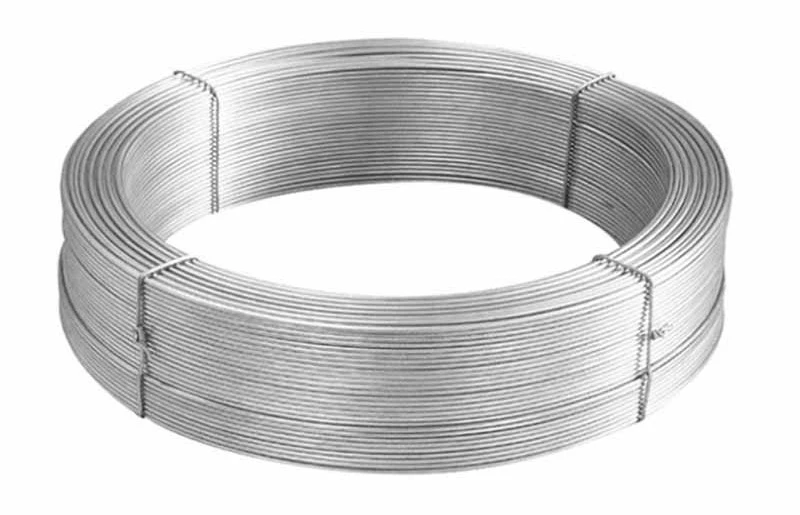
Why Bright Surface Titanium Wire Is Essential for Chemical Processing?
The chemical industry demands materials that can withstand extraordinarily harsh conditions while maintaining structural integrity and preventing contamination. Bright Surface Titanium Wire addresses these critical requirements through its unique combination of physical and chemical properties specifically suited for aggressive industrial environments. Unlike conventional materials such as stainless steel or carbon steel that rapidly deteriorate when exposed to acidic solutions, alkaline compounds, or chloride-rich environments, Bright Surface Titanium Wire maintains its structural integrity through the formation of a stable protective oxide layer on its surface. This naturally occurring oxide barrier provides continuous protection against corrosive attack from a wide spectrum of industrial chemicals including hydrochloric acid, sulfuric acid, nitric acid, chlorine compounds, and hypochlorites. The bright surface finish achieved through precision manufacturing processes ensures smooth, non-porous surfaces that resist contamination buildup and facilitate thorough cleaning procedures essential for maintaining product purity in pharmaceutical and specialty chemical production. Chemical plants utilizing Bright Surface Titanium Wire components report maintenance interval reductions of thirty to fifty percent compared to traditional materials, translating directly into improved operational efficiency and substantial cost savings over the equipment lifecycle.
Superior Corrosion Resistance in Aggressive Chemical Environments
Bright Surface Titanium Wire demonstrates exceptional performance across the full spectrum of chemical processing applications due to its inherent resistance to multiple forms of corrosive attack. The material exhibits complete immunity to chloride stress corrosion cracking, a failure mode that frequently affects stainless steel components in chemical plants handling brine solutions, wet chlorine, or seawater. This characteristic makes Bright Surface Titanium Wire indispensable for chlor-alkali production facilities, desalination plants, and bleaching operations where chlorine-bearing compounds are routinely processed. The corrosion resistance extends to both oxidizing and reducing chemical environments across broad temperature ranges. In oxidizing acids such as nitric acid, the protective oxide layer on Bright Surface Titanium Wire spontaneously repairs itself even when mechanically damaged, providing continuous protection. For reducing acid applications, small additions of oxidizing agents or the use of palladium-enhanced titanium grades ensure excellent performance. Chemical processing equipment constructed with Bright Surface Titanium Wire components including heat exchanger tubing, reactor vessel tie rods, filter basket frameworks, and piping supports demonstrates service lives exceeding twenty years without significant corrosion damage in environments where conventional materials would fail within months.
Mechanical Strength Combined With Lightweight Design
The outstanding strength-to-weight ratio of Bright Surface Titanium Wire enables innovative chemical equipment designs that reduce structural loads while maintaining or improving mechanical performance. Pure titanium grades deliver tensile strengths comparable to many stainless steels at approximately fifty-six percent of steel's density, while titanium alloys such as Ti-6Al-4V achieve even higher strength levels. This combination allows chemical engineers to design lighter support structures, reduce foundation requirements, and simplify installation procedures for process equipment. In applications requiring suspension systems for electroplating tanks, catalyst baskets, or heat treatment fixtures, Bright Surface Titanium Wire provides the necessary load-bearing capacity without the excessive weight penalty of steel alternatives. The material maintains excellent fatigue resistance under cyclic loading conditions commonly encountered in vibrating screens, centrifuge components, and pneumatic conveying systems. Chemical plants benefit from reduced energy consumption for material handling equipment and improved worker safety during maintenance activities when lighter-weight Bright Surface Titanium Wire assemblies replace heavier conventional metal components.
Critical Applications of Bright Surface Titanium Wire in Chemical Plants
Chemical processing facilities deploy Bright Surface Titanium Wire across numerous critical applications where material reliability directly impacts production continuity, product quality, and operational safety. Understanding these specific use cases helps chemical engineers and maintenance professionals identify opportunities for performance improvements and cost reductions through strategic material upgrades.
Heat Exchanger and Condenser Systems
Heat transfer equipment represents one of the largest application areas for Bright Surface Titanium Wire in chemical processing operations. While titanium tubing handles the primary heat transfer function, Bright Surface Titanium Wire serves essential supporting roles including tube bundle tie rods, baffle supports, and antivibration bar systems. These components must withstand continuous exposure to process chemicals on the shell side while enduring temperature cycling and flow-induced vibrations throughout the equipment's operational life. Bright Surface Titanium Wire's corrosion resistance eliminates the gradual thinning and eventual failure that plague carbon steel tie rods in corrosive service, preventing catastrophic tube bundle collapse. The bright surface finish reduces fouling tendencies that can impede heat transfer efficiency and create maintenance challenges. Chemical plants processing seawater, brackish water, or chloride-containing coolants particularly benefit from Bright Surface Titanium Wire heat exchanger components, as these applications frequently cause accelerated corrosion of traditional materials. Facilities report extending heat exchanger service intervals from annual overhauls to five-year or longer maintenance cycles by incorporating Bright Surface Titanium Wire structural elements.
Filtration and Separation Equipment
Chemical process filtration systems rely on Bright Surface Titanium Wire for constructing filter baskets, strainer elements, and support frameworks that must resist both the corrosive nature of filtered liquids and potential contamination from material degradation. The bright, smooth surface of properly manufactured titanium wire prevents particle entrapment and facilitates complete filter cleaning between batches, critical requirements for pharmaceutical production and fine chemical manufacturing where trace contamination cannot be tolerated. Bright Surface Titanium Wire woven into mesh configurations provides precise filtration capabilities from coarse debris removal to fine particle separation in applications including catalyst recovery systems, polymer filtration, and ultrapure water production. The material's non-shedding characteristics ensure filtered products remain free from metallic contamination that could compromise product specifications or downstream processing steps. Centrifuge baskets constructed with Bright Surface Titanium Wire frameworks demonstrate superior performance in aggressive chemical separations including spent acid recovery, solvent purification, and crystal separation operations where conventional materials suffer rapid degradation.
Reactor Vessel Internals and Process Equipment
Chemical reactor vessels frequently incorporate Bright Surface Titanium Wire components for various internal structures including catalyst bed supports, distribution grids, temperature sensor housings, and agitator components. These internal elements must survive prolonged exposure to reactive chemical mixtures, often at elevated temperatures and pressures, while maintaining dimensional stability and structural integrity. The combination of corrosion resistance and mechanical strength positions Bright Surface Titanium Wire as an ideal material for these demanding service conditions. In polymerization reactors, Bright Surface Titanium Wire stirrer shafts and baffles prevent metallic contamination that could affect polymer properties or introduce coloration defects. Electrochemical process equipment including chlorine production cells, metal plating operations, and electroplating tanks utilize Bright Surface Titanium Wire for cathode suspension systems, current distribution networks, and process monitoring probe mountings. The material's electrical conductivity properties and corrosion immunity make it particularly suitable for these electrochemical applications where alternative materials experience rapid deterioration from combined chemical attack and electrical current effects.
Piping Support and Structural Applications
Although titanium piping systems utilize seamless or welded tubing as the primary pressure-containing elements, Bright Surface Titanium Wire fulfills important auxiliary functions including hanger wire for suspended pipe runs, safety restraint cables, and anti-vibration tie-downs. Chemical plants processing corrosive fluids require all wetted surfaces and potential splash zone components to possess adequate corrosion resistance, making Bright Surface Titanium Wire an essential material for complete system integrity. The material's combination of strength and corrosivity resistance enables chemical facilities to eliminate the ongoing maintenance burden of replacing corroded carbon steel hanger wires and support components. Bright Surface Titanium Wire maintains consistent load-bearing capacity throughout its service life without the gradual degradation that requires periodic inspection and replacement of conventional materials. This reliability proves particularly valuable in inaccessible locations or areas where maintenance activities would require production shutdowns, as Bright Surface Titanium Wire installations can remain in continuous service for decades without intervention.
Material Specifications and Quality Standards for Chemical Plant Applications
Selecting appropriate Bright Surface Titanium Wire specifications ensures optimal performance in specific chemical processing environments while meeting industry quality standards and safety regulations. Understanding available grades, dimensions, and quality certifications enables informed material selection decisions that balance performance requirements against project economics.
Available Titanium Grades and Their Chemical Resistance
Chemical plant applications primarily utilize commercially pure titanium grades designated as ASTM Grade 1, Grade 2, Grade 3, and Grade 4, along with select titanium alloys for higher strength requirements. Grade 1 titanium offers maximum ductility with moderate strength, suitable for complex forming operations and applications requiring excellent cold workability. Grade 2 represents the most widely specified commercially pure grade, providing an optimal balance of strength, corrosion resistance, and weldability for general chemical processing service. Grade 3 and Grade 4 titanium deliver progressively higher strength levels with corresponding reductions in formability, appropriate for applications requiring increased mechanical properties while maintaining excellent corrosion resistance. For chemical environments involving reducing acids or crevice corrosion concerns, palladium-enhanced grades such as Grade 7 provide superior performance through enhanced resistance to localized corrosion mechanisms. The titanium alloy Ti-6Al-4V (Grade 5) offers the highest strength among commonly available grades, utilized in chemical plant applications requiring maximum load-bearing capacity in corrosive service.
Dimensional Specifications and Surface Quality Requirements
Bright Surface Titanium Wire manufacturing processes produce precise diameters ranging from 0.1 millimeters for fine wire applications to 10 millimeters for structural components, with diameter tolerances maintained within strict specifications to ensure consistent mechanical properties and reliable performance. The characteristic bright surface finish results from controlled cold drawing operations followed by precision cleaning and surface treatment procedures that remove scale, contaminants, and surface irregularities. This smooth, clean surface provides distinct advantages for chemical plant applications by minimizing fouling potential, facilitating inspection activities, and preventing crevice formation where localized corrosion could initiate. Quality specifications for Bright Surface Titanium Wire typically include requirements for tensile strength ranging from 240 megapascals for Grade 1 commercially pure titanium to 1100 megapascals for high-strength titanium alloys, with corresponding elongation values demonstrating adequate ductility for fabrication and service conditions. Chemical composition limits ensure material purity and consistent corrosion resistance characteristics, while surface examination standards verify freedom from defects that could compromise service performance. Reputable manufacturers provide complete material certification documentation including mill test reports, chemical analysis results, mechanical property verification, and traceability information linking finished products to original raw material sources.
Certification Standards and Quality Management Systems
Chemical processing facilities operating under stringent regulatory frameworks require Bright Surface Titanium Wire suppliers to maintain comprehensive quality management systems certified to international standards. ISO 9001 quality management certification ensures suppliers implement systematic processes for material sourcing, production control, testing verification, and continuous improvement. Specialized certifications including ISO 13485 for medical applications and AS9100 for aerospace quality demonstrate additional quality system rigor applicable to high-consequence chemical processing applications. Material certifications documenting compliance with ASTM B863 specifications for titanium wire provide assurance that supplied materials meet industry-recognized standards for chemical composition, mechanical properties, and manufacturing quality. Third-party testing laboratory verification of material properties and corrosion resistance characteristics adds further confidence in material performance for critical chemical plant applications. Chemical facilities implementing formal supplier qualification programs should verify that Bright Surface Titanium Wire manufacturers maintain appropriate certifications, conduct routine quality audits, and demonstrate consistent product quality through historical performance data and customer references.
Installation Best Practices and Maintenance Considerations
Successful deployment of Bright Surface Titanium Wire in chemical plant applications requires attention to proper installation techniques, compatibility considerations, and ongoing maintenance practices that preserve the material's performance advantages throughout extended service life.
Handling and Storage Guidelines
Bright Surface Titanium Wire's carefully controlled surface finish requires protective handling procedures to prevent damage during transportation, storage, and installation activities. Packaging materials should provide adequate protection against mechanical damage while avoiding contamination sources that could compromise surface quality or introduce corrosive agents. Storage areas must maintain clean, dry conditions free from airborne contaminants and protected from weather exposure that could lead to surface discoloration or contamination. During handling operations, workers should wear clean gloves to prevent fingerprint contamination and utilize appropriate lifting equipment sized for the load to avoid deformation or surface damage. Coiled wire products require careful unwinding techniques that prevent kinking or work hardening that could alter mechanical properties. When cutting Bright Surface Titanium Wire to length, clean cutting tools designed for titanium processing ensure burr-free ends without work hardening or contamination from tool wear debris.
Welding and Fabrication Techniques
Fabricating assemblies incorporating Bright Surface Titanium Wire demands specialized welding procedures and qualified operators familiar with titanium metallurgy and processing requirements. Gas tungsten arc welding (GTAW/TIG) represents the preferred joining method, utilizing argon shielding gas and titanium filler wire to produce high-quality, corrosion-resistant weld joints. Proper shielding of the weld zone, including backing gas protection and trailing shields extending beyond the weld pool, prevents atmospheric contamination during the critical cooling period. Surface preparation before welding requires removal of any oils, greases, or oxide films through solvent cleaning and mechanical abrasion using dedicated tools reserved exclusively for titanium fabrication. Post-weld heat treatment may be necessary for stress relief in certain applications, conducted in controlled atmosphere furnaces or using localized heating techniques that maintain titanium's corrosion resistance properties. Quality control procedures including visual inspection, dye penetrant testing, and mechanical testing verification ensure weld integrity meets application requirements.
Long-Term Performance Monitoring
Although Bright Surface Titanium Wire exhibits exceptional durability in chemical plant service, implementing periodic inspection programs verifies continued component integrity and identifies any unusual service conditions requiring attention. Visual examination during routine maintenance shutdowns can detect any surface discoloration, deposit accumulation, or mechanical damage that might indicate adverse operating conditions or unexpected chemical exposures. Documentation of inspection findings over multiple maintenance cycles establishes baseline condition assessments and identifies any progressive changes suggesting developing issues requiring corrective action. Chemical plants should maintain records of Bright Surface Titanium Wire component installations including material certifications, fabrication documentation, and service history to support lifecycle management decisions and facilitate troubleshooting if performance questions arise. This systematic approach maximizes return on investment in titanium materials while ensuring continued reliability of critical chemical processing systems.
Economic Benefits and Return on Investment Analysis
While Bright Surface Titanium Wire commands higher initial material costs compared to conventional metals, comprehensive lifecycle economic analysis consistently demonstrates favorable returns on investment through reduced maintenance requirements, extended equipment service life, and improved operational reliability.
Initial Cost Considerations Versus Lifecycle Value
Chemical plant procurement decisions often focus heavily on initial material and fabrication costs without adequately accounting for lifecycle expenses including maintenance labor, replacement parts, production losses during unplanned outages, and equipment reliability impacts on overall facility profitability. Bright Surface Titanium Wire's premium initial cost reflects the specialized raw materials, processing requirements, and quality control procedures necessary to produce high-performance components suitable for demanding chemical service. When economic evaluations incorporate realistic maintenance cost projections, replacement intervals based on actual service experience, and the economic value of improved reliability, Bright Surface Titanium Wire demonstrates compelling economic advantages. Chemical facilities report payback periods ranging from three to seven years depending on service severity, with total lifecycle cost savings frequently exceeding fifty percent compared to repeatedly replacing conventional material components. The elimination of corrosion-related failures reduces emergency maintenance incidents, improves personnel safety, and prevents environmental releases that could trigger regulatory penalties or remediation costs.
Operational Efficiency Improvements
Beyond direct maintenance cost savings, Bright Surface Titanium Wire contributes to operational efficiency improvements through enhanced equipment reliability, reduced fouling tendencies, and improved process flexibility. Heat transfer equipment incorporating titanium components maintains cleaner surfaces with less frequent cleaning requirements, sustaining higher thermal efficiency throughout operating cycles. Filtration systems using Bright Surface Titanium Wire elements experience fewer premature plugging incidents and demonstrate more consistent pressure drop characteristics across extended service periods. The material's reliability enables chemical plants to extend operating campaigns between planned maintenance turnarounds, increasing annual production volumes and improving capacity utilization metrics. Process units containing Bright Surface Titanium Wire components can often handle wider operating windows including more aggressive chemical compositions, higher temperatures, or accelerated production rates without material limitations constraining operational flexibility. These operational advantages deliver significant economic value beyond direct maintenance cost reductions, enhancing overall facility competitiveness and profitability.
Conclusion
Bright Surface Titanium Wire represents an essential material solution for chemical processing facilities seeking to overcome corrosion challenges, enhance operational reliability, and reduce lifecycle costs. Its exceptional combination of corrosion resistance, mechanical strength, and long-term durability positions it as the material of choice for critical chemical plant applications ranging from heat exchanger supports to filtration systems and reactor internals.
Cooperate with XI'AN MICRO-A Titanium Metals Co.,Ltd.
XI'AN MICRO-A Titanium Metals Co., Ltd., established in 2017 and headquartered in Baoji—China's renowned titanium city—stands as your trusted China Bright Surface Titanium Wire manufacturer, China Bright Surface Titanium Wire supplier, and China Bright Surface Titanium Wire factory. Our comprehensive product portfolio encompasses titanium sponge, titanium ingots, titanium plates, titanium tubes, titanium rods, titanium castings, titanium alloys, titanium wire, titanium flanges, and complete titanium equipment solutions for chemical processing applications.
With ISO13485:2017 medical management system certification, AS/EN 9100 aerospace quality certification, ISO14001 environmental management certification, and ISO9001 quality management implementation, we deliver China Bright Surface Titanium Wire wholesale solutions meeting the most stringent industry standards. Our strategic partnership with Baoti Group ensures stable raw material supply and consistent product quality. Operating advanced production equipment including 3-ton vacuum furnaces, 2500-ton hydraulic presses, precision forging machines, and state-of-the-art CNC machining centers, we manufacture high-quality Bright Surface Titanium Wire for sale at competitive prices as the best Bright Surface Titanium Wire provider serving global chemical plants.
Our expertise advantages include direct factory sourcing for optimal Bright Surface Titanium Wire price, advanced manufacturing equipment ensuring precision and reliability, rigorous quality assurance meeting international standards, customized services tailored to your specific chemical plant requirements, and fast delivery through organized logistics networks supporting air, sea, and express shipping methods. Whether you require standard specifications or custom-engineered solutions for demanding chemical processing applications, our technical team provides comprehensive support from material selection through installation guidance. Contact us today at mayucheng188@aliyun.com to discuss your Bright Surface Titanium Wire requirements and discover how our solutions can enhance your chemical plant operations. Bookmark this resource for future reference when addressing corrosion challenges and material selection decisions in your facility.
References
1. Schutz, R.W. and Watkins, H.B., "Recent Developments in Titanium Alloy Application in the Energy Industry," Materials Science and Engineering, Journal of Metals Institute
2. Cotton, J.B. and Downing, B.P., "Corrosion Resistance of Titanium in Chemical Processing Environments," Corrosion Science and Engineering, British Corrosion Research Association
3. Seagle, S.R., "Titanium Technology for Chemical Processing Applications," Industrial Metallurgy Quarterly, Titanium Development Association
4. Zhang, W. and Chen, L., "Performance Analysis of Titanium Wire in Heat Transfer Equipment," Chemical Engineering Journal, International Chemical Processing Federation
5. Kumar, S. and Patel, M., "Economic Evaluation of Titanium Materials in Corrosive Service," Process Industry Economics Review, Chemical Plant Engineers Association