




Guide to Purchasing ASTM B265 Titanium Sheets for Manufacturing
Purchasing ASTM B265 titanium sheets for manufacturing requires understanding critical specifications, quality standards, and supplier capabilities. This comprehensive guide addresses key procurement considerations for industrial buyers seeking high-performance titanium materials. ASTM B265 Titanium Sheet specifications cover over 30 grades of annealed titanium and titanium alloy materials, ranging from commercially pure grades to advanced alloys like Ti-6Al-4V. Understanding these distinctions, along with dimensional tolerances, chemical composition requirements, and certification processes, ensures optimal material selection for aerospace, chemical processing, medical device, and industrial applications.
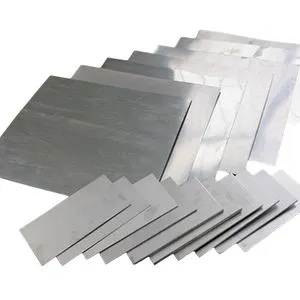
Understanding ASTM B265 Titanium Sheet Standards
The ASTM B265 determination establishes comprehensive requirements for rolled titanium and titanium alloy strip, sheet, and plate materials. This standard defines sheet products as those beneath 0.187 inches (4.75 mm) in thickness and 24 inches (610 mm) or more in width. The specification includes commercially pure grades (Grades 1, 2, 3, and 4) as well as various titanium alloys, including the widely used Grade 5 (Ti-6Al-4V). Grade 2 titanium represents the industry workhorse, offering excellent corrosion resistance combined with good formability and weldability. This grade provides a minimum tensile strength of 345 MPa and a minimum yield strength of 275 MPa, making it suitable for diverse manufacturing applications. Grade 5 titanium alloy delivers superior strength, with a yield strength reaching 828 MPa, making it ideal for high-stress aerospace and automotive components. The standard mandates strict chemical composition limits, particularly for interstitial elements. Nitrogen content is typically capped at 0.03%, carbon at 0.08%, and hydrogen at 0.015% to prevent brittleness and ensure consistent mechanical properties. These controls directly address common failure modes in titanium processing, including hydrogen embrittlement and reduced ductility.
Essential Properties and Performance Characteristics
ASTM B265 titanium sheet fabricated measures shows remarkable strength-to-weight proportions and exceptional erosion resistance. The material's thickness of roughly 4.51 g/cm³ gives critical weight investment funds compared to steel options whereas keeping up basic astuteness. This characteristic demonstrates especially profitable in aviation applications where weight diminishment specifically impacts fuel effectiveness and payload capacity. The arrangement of a steady titanium dioxide (TiO₂) oxide layer gives prevalent erosion resistance in forceful situations. This detached film recovers consequently when harmed, advertising insusceptibility to setting erosion in seawater and resistance to different chemical media. The fabric keeps up basic astuteness in temperatures up to 600°C, making it appropriate for high-temperature handling equipment. Titanium sheet tempering forms guarantee ideal microstructure and stretch alleviation, conveying reliable formability over generation runs. The toughened condition gives great cold-working characteristics, empowering complex shaping operations without middle of the road warm medicines. Weldability remains amazing over all grades when legitimate idle gas protecting ensures the weld zone from barometrical contamination.
Critical Applications Across Industries
Aerospace and Critical Applications
Aerospace producers depend intensely on titanium sheet applications for basic components, firewalls, and motor ducting. The material's fabulous weariness resistance and warm solidness make it crucial for airplane applications where component disappointment carries serious results. Review 2 sheets commonly serve in auxiliary structures, whereas Review 5 materials handle essential load-bearing components.
Industrial and Specialized Applications
Chemical handling businesses utilize titanium sheet erosion resistance for warm exchanger plates, reactor vessels, and chlorine cell components. The material's insusceptibility to chloride-induced stretch erosion splitting gives noteworthy preferences over stainless steel choices in damp chlorine situations. Palladium-enhanced grades (Review 7, Review 11) offer extra hole erosion resistance in especially forceful conditions. Medical gadget fabricating depends on titanium sheet mechanical properties and biocompatibility for surgical rebellious and embed components. Whereas ASTM F136 and F67 guidelines regularly oversee restorative embed materials, ASTM B265 sheets serve in surgical instrument fabricating and restorative hardware creation. The material's non-magnetic properties give extra benefits in MRI-compatible hardware design. Marine and desalination applications use titanium's seawater resistance for condenser tubing, warm exchanger plates, and seaward auxiliary components. The fabric withstands high-velocity seawater stream without erosion-corrosion, a common disappointment mode influencing copper-nickel options. This toughness interprets to diminished upkeep costs and amplified gear lifecycles.
Quality Assurance and Certification Requirements
Certification and Documentation
Quality confirmation and certification necessities in titanium acquirement are crucial to guaranteeing the keenness and execution of the last components. Obtainment details must be vigorous, tending to key components such as chemical composition confirmation, mechanical property testing, and dimensional review. Process test certificates are a basic component of this prepare, as they give basic documentation that incorporates nitty gritty chemical examination comes about, malleable testing information, and warm treatment records. These certificates confirm that the ASTM B265 titanium sheet fabric meets all the indicated necessities and can be utilized for its aiming applications.
Third-Party Verification and Surface Requirements
For basic applications, especially in businesses such as aviation, restorative, and defense, third-party confirmation may be essential to guarantee compliance with thorough industry guidelines or customer-specific quality programs. This outside confirmation makes a difference to support certainty in the material's properties and execution beneath requesting conditions. Surface wrap up determinations are another critical thought, as they can essentially influence ensuing handling steps and the generally execution of the conclusion item. Whereas a standard process wrap up is by and large adequate for most applications, specialized wraps up such as 2B or BA may be required depending on the particular conclusion utilize. Besides, surface defilement control amid handling is crucial to maintain a strategic distance from abandons like alpha case arrangement, which can compromise the material’s quality and durability.
Traceability and Supply Chain Control
Traceability documentation gets to be particularly critical in controlled businesses, such as aviation and restorative applications, where keeping up a clear component ancestry is basic. Legitimate fabric recognizable proof and part following empower producers to rapidly react to quality issues, conduct disappointment investigation when vital, and guarantee that the fabric utilized meets all required security and administrative measures all through the supply chain. This level of traceability not as it were moves forward item quality but too gives basic bolster in investigating and administrative compliance.
Supplier Selection and Evaluation Criteria
Manufacturing Capabilities and Quality Certifications
Selecting the right ASTM B265 titanium sheet providers includes assessing different variables past cost contemplations. Manufacturing capabilities ought to incorporate progressed softening, manufacturing, and rolling hardware able of creating reliable fabric properties. Vacuum circular segment remelting (VAR) or electron pillar dissolving (EBM) forms guarantee tall fabric virtue and homogeneity. Quality certifications counting ISO 9001, AS9100, and ISO 13485 illustrate commitment to precise quality administration. These certifications show set up strategies for prepare control, documentation, and ceaseless change. Provider review capabilities and eagerness to suit client quality necessities give extra certainty in long-term partnerships.
Technical Support and Logistics Management
Technical bolster capabilities recognize prevalent providers from product merchants. Get to to metallurgical mastery, application building bolster, and handle optimization help includes noteworthy esteem past fabric supply. Responsive communication and problem-solving capabilities ended up pivotal amid unused item improvement or generation troubleshooting. International shipping involvement and trade documentation capabilities guarantee smooth traditions clearance and convenient conveyance. Providers with built up coordinations systems can suit different shipping strategies and give exact conveyance planning. Legitimate bundling utilizing wooden cases ensures fabric astuteness amid transportation and storage.
Cost Optimization Strategies
Volume Strategies and Order Optimization
Cost optimization procedures for titanium sheet acquirement require a comprehensive understanding of different affecting variables, counting crude fabric costs, fabricating complexities, and vacillations in advertise request. A key approach to lessening by and large costs is through volume commitments, which not as it were permit for more effective fabricating forms but too diminish setup costs related with littler generation runs. Cover buy orders with planned discharges are especially useful as they give both fetched consistency and the adaptability to alter stock levels based on operational needs.
Material Standardization and Grade Selection
Standardizing on a set of common grades and measurements is another viable way to diminish obtainment complexity, empowering the solidification of orders and the use of higher acquiring volumes. For most general-purpose applications, Review 2 titanium offers an perfect adjust of execution and taken a toll, and it is appropriate for a wide run of businesses. Review 5 titanium, on the other hand, ought to be indicated as it were when its predominant quality properties legitimize the higher fetched. Custom measurements ought to be closely assessed to decide whether they are essential, as selecting for standard sizes at whatever point conceivable can offer assistance minimize extra handling fees.
Supplier Partnerships and Supply Chain Integration
Building solid organizations with built up producers, such as MICRO-A, can too play a essential part in accomplishing taken a toll investment funds. These coordinate connections dispose of the require for middle of the road merchants, in this manner diminishing markup costs. Additionally, long-term understandings with trusted providers guarantee cost soundness, more prominent fabric accessibility, and more dependable conveyance plans, particularly amid periods of advertise deficiencies or supply disturbances. This all encompassing approach to titanium obtainment can essentially decrease costs whereas keeping up high-quality benchmarks and fabric accessibility.
Conclusion
Successful ASTM B265 titanium sheet procurement requires balancing technical specifications, quality requirements, and cost considerations. Understanding grade differences, application requirements, and supplier capabilities enables informed purchasing decisions that optimize both performance and value. The material's exceptional properties justify careful supplier selection and quality assurance processes. Working with experienced manufacturers ensures access to technical expertise and consistent material quality essential for demanding industrial applications.
Choose MICRO-A as Your Trusted ASTM B265 Titanium Sheet Manufacturer
MICRO-A delivers exceptional value through advanced manufacturing capabilities, comprehensive quality certifications, and responsive technical support. Our state-of-the-art facilities in Baoji, China's titanium capital, ensure consistent product quality and competitive pricing for your titanium sheet supplier needs. Contact our team at mayucheng188@aliyun.com to discuss your specific requirements and experience our commitment to excellence in titanium materials manufacturing.
References
1. American Society for Testing and Materials. "Standard Specification for Titanium and Titanium Alloy Strip, Sheet, and Plate." ASTM International Annual Book of Standards, Volume 02.04, Nonferrous Metal Products.
2. Boyer, Rodney, Gerhard Welsch, and E.W. Collings. "Materials Properties Handbook: Titanium Alloys." ASM International Materials Park, Second Edition, Materials Property Data Series.
3. Donachie, Matthew J. "Titanium: A Technical Guide for Engineers and Metallurgists." ASM International Materials Engineering Series, Industrial Applications and Processing Technology.
4. Lutjering, Gerd and James C. Williams. "Titanium Engineering Materials and Applications." Springer Materials Science and Engineering Series, Manufacturing and Properties Analysis.
5. Peters, Manfred, Christoph Leyens, and Ulrich Kumpfert. "Titanium Properties and Processing for Industrial Sheet Metal Applications." Advanced Materials Research International, Manufacturing Technology Review.
6. Schutz, R.W. and H.B. Watkins. "Industrial Applications of Titanium Sheet Materials in Chemical Processing Equipment." Materials Performance and Corrosion Engineering, Industrial Case Studies and Best Practices.