




Key Benefits of Titanium Plate in Modern Aerospace Engineering
Materials that work exceptionally well in the harshest operational conditions are always in high demand in the aerospace business. Aerospace titanium plate has become the material of choice for engineers and procurement specialists who need to keep structures strong while also cutting down on weight. These high-quality titanium alloys, especially Ti-6Al-4V, offer an unbeatable mix of strength, resistance to corrosion, and thermal stability that directly addresses the most important problems that current airplane and spaceship designers have to deal with. Knowing about these benefits helps buying managers make smart choices that improve the results of projects and lower long-term costs.
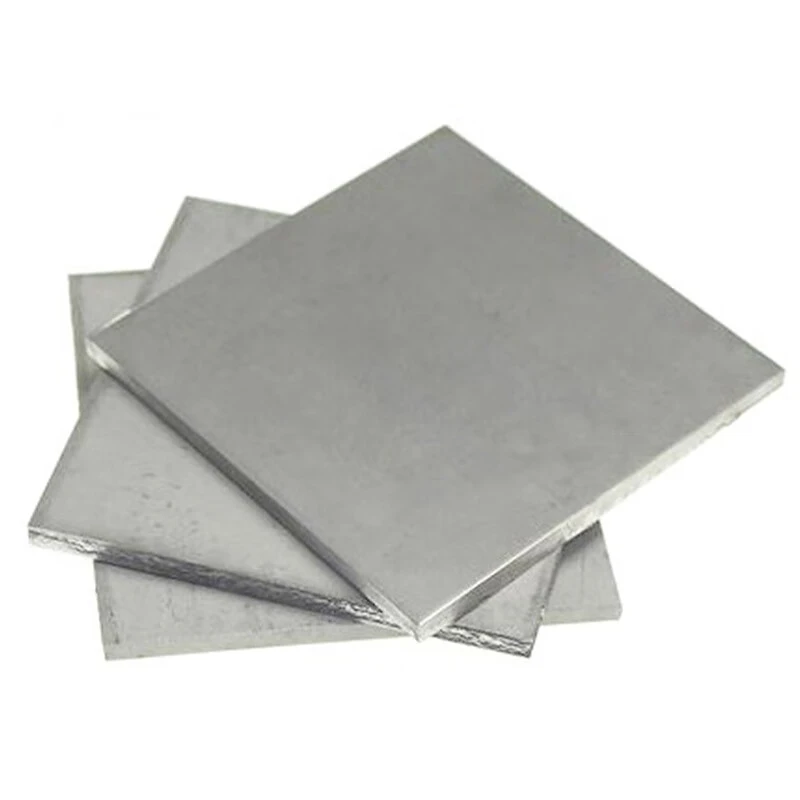
Understanding Aerospace Titanium Plates: Properties and Specifications
If we talk about aerospace titanium plates, we're talking about materials that have been specially made to meet the strict requirements of space travel and flight. The first step in the production process is vacuum arc remelting or electron beam melting, which get rid of impurities and make a microstructure that can handle the cyclic pressures that come with flight operations.
Material Composition and Manufacturing Standards
Ti-6Al-4V, which is also called Grade 5 titanium, is used a lot in aircraft because it has a carefully balanced mix of 90% titanium, 6% aluminum, and 4% vanadium. At room temperature, the aluminum stabilizes the alpha phase and makes the material stronger. At higher temperatures, the vanadium stabilizes the beta phase and keeps the material flexible. Forging these plates with precision using tools like our 2,500-ton hydraulic press and then controlled rolling processes that smooth out the grain structure are needed to make them. Every plate has to meet the requirements of AMS 4911 or AMS 4902. This makes sure that everything can be tracked from the raw materials to the final review. Our building is certified to AS9100D standards, which means that quality control systems meet the exact needs of the aerospace industry at every stage of production.
Critical Performance Parameters
Aerospace titanium plates have a mass of only 4.43 g/cm³ and a tensile strength of more than 895 MPa. They also have a yield strength of about 828 MPa. Because of this, the material is stronger than both aluminum and stainless steel. The elastic modulus of about 110 to 114 GPa gives structural parts the freedom they need to handle dynamic loads during flight. To keep the material from becoming weak, the hydrogen level must stay below 0.015 percent. We make sure of this by testing the chemical makeup carefully at several stages of production. Before they are shipped, our plates go through non-destructive testing like ultrasound and X-ray checks to find any internal cracks.
Quality Assurance and Traceability
Traceability of materials is an absolute must in the aircraft buying process. Each plate has full paperwork that connects it to a specific batch of ingots, a cycle of heat treatment, and the results of a test of its mechanical properties. As part of our quality control procedures, we use high-precision tools to check the dimensions and make sure that the thickness tolerances match the drawing specs for the next CNC machining operation. This amount of paperwork meets the audit needs of Boeing, Airbus, and defense companies who need to be able to prove the material's history in order to get certified.
Core Benefits of Titanium Plates in Aerospace Applications
Aerospace titanium plates are used in aircraft designs because they have a number of performance benefits that directly lead to operational benefits and cost saves over the lifecycle.
Superior Strength-to-Weight Ratio
Manufacturers of airplanes are always under pressure to cut weight without weakening the structure. Titanium plates are about 45% lighter than steel parts while still being strong enough to do the same job. The whole design of the plane is affected by this loss of mass. Lighter airframes need smaller engines, use less fuel, and can take more cargo. Our titanium plates are used to make wing bulkheads and fuselage frames that help airplanes save measured amounts of fuel over the course of twenty years. This has a direct effect on their running costs. The material keeps its mechanical qualities over a wide temperature range, so it can be used safely in everything from cryogenic fuel tanks to engine parts that work at normal temperatures.
Exceptional Corrosion and Heat Resistance
Materials in space are exposed to hydraulic fluids, salt spray, high temperatures, and moisture in the air. Titanium plate's natural oxide layer protects against corrosion in a way that stainless steel can't, which is especially important for naval or coastal activities where airplanes are exposed to salty air. In places like engine pylons, exhaust fairings, and firewalls, heat protection is very important. At temperatures up to 400°C, our titanium plates keep their shape and mechanical qualities. They also work well as thermal shields to keep engine heat out of composite structures. This temperature performance means that you don't need any extra insulation systems. This makes building easier and cuts down on the number of parts you need. Titanium doesn't carry heat well—about a tenth as well as aluminum—so it's perfect for making heat shields in aft-pylon fairings, which are needed to keep internal systems safe from exhaust temperatures.
Enhanced Fatigue and Fracture Toughness
During their working lives, commercial airplanes go through thousands of cycles of pressurization. When an airplane takes off or lands, it puts stress on structural parts over and over again, which can cause wear cracks in less durable materials. Titanium plates are very resistant to wear, and their fracture toughness values (K1C) stop cracks from spreading even when there are small flaws. Because titanium can handle harm, aircraft engineers choose it for safety-critical parts like landing gear trunnions and wing attachment points. Our precision-forged plates are used to make parts that can handle high-cycle fatigue loads without getting stress clusters that could weaken the structure.
Formability and Precision Machining Capabilities
Even though aerospace-grade titanium is very strong, it is still flexible enough to be shaped into complicated shapes. Our plates can stretch more than 10%, which lets manufacturers make the curved sections, compound angles, and flanged parts that are needed in current airplane designs. The material works well with CNC machines, but because it doesn't conduct heat well, it needs special tools and cutting settings. Our expert team gives customers advice on how to machine things that is specific to their needs. This helps them get the best tool life and surface finish. One of the custom manufacturing services we offer at our plant is precise cutting to net shapes, which cut down on material waste and processing time further down the line.
Comparative Analysis: Titanium Plates Versus Other Materials
When buying something, people often have to compare titanium to other materials based on performance needs and price limits.
Titanium Versus Aluminum Alloys
Aluminum has been used in aircraft for many years because it is cheap and doesn't weigh much. But buildings that are heavily loaded show that metal isn't very strong. To get the strength levels needed, aluminum needs parts that are bigger or more reinforcement. Aerospace titanium plate, on the other hand, can do the same structural work with plates that are smaller and lighter. Another thing that sets titanium apart from aluminum is that it can handle cyclic loads much better than aluminum, especially in harsh settings. Titanium is more expensive, but it pays for itself in shorter repair periods and longer component service lives. When lifecycle costs are properly considered, titanium is the best choice.
Titanium Versus Stainless Steel
With a mass of about 8.0 g/cm³, stainless steel is almost twice as heavy as titanium, but it is very strong and doesn't rust very easily. The penalty for weight directly translates to fines for fuel use in aircraft uses. Titanium has the same or better corrosion protection as most types of stainless steel, and it also has the weight saves that are necessary for designing efficient airplanes. More and more engine parts, hydraulic fittings, and structure bolts that used to be made of stainless steel are now made of titanium alloys to make the plane lighter.
Material Selection Strategy
When picking between materials, you have to weigh the technical ability against the cost of the job. Aluminum might be a good choice for less important parts like fairings or internal structures, but titanium is needed for main load-bearing parts, engine hot spots, and areas that are likely to rust. Our applications engineering team helps buying managers make these kinds of choices by giving them cost-benefit studies that take into account how hard the product is to make, how much it will cost to maintain over time, and how often it will need to be serviced.
Procurement Guide for Aerospace Titanium Plates
To get aerospace titanium plate, you need to pay attention to the skills of the suppliers, the certifications of the materials, and the stability of the supply chain.
Supplier Certification and Quality Standards
Aerospace suppliers of aerospace titanium plate must keep up-to-date certifications that show they follow the quality control methods used in the business. If a company has AS9100D certification, it means they have put in place rules for production, inspection, and tracking that are special to aircraft. When standards for medical devices and aircraft are combined, ISO 13485 certification becomes important. MICRO-A has these certificates and follows the rules for ISO 14001 environmental management, which makes sure that they make things in a responsible way. Our strategic relationship with Baoti Group, a major Chinese titanium supplier, gives us steady access to high-quality raw materials and the ability to make things.
Technical Support and Customization Capabilities
For aircraft jobs that are complicated, you need providers who can do more than just sell catalog items. Customization based on drawings, help with choosing materials, and expert support after delivery are what set capable partners apart from commodity sellers. During the planning process, our engineering staff works with customers to suggest the best plate thicknesses, surface finishes, and heat treatment conditions for each application. We can send samples for qualification testing, which lets buying teams check the qualities of the material before committing to large orders. This way of working together lowers project risk and speeds up the time it takes to get new airplane programs to market.
Lead Times and Inventory Management
Deliveries are based on how complicated the production is and how readily available the raw materials are. Standard Ti-6Al-4V plates with standard sizes usually ship within the time frames we set, thanks to our 160-ton yearly production capacity. Longer production times may be needed for custom sizes, different metals, or special surface finishes. Purchasing managers can get more done when they work with sellers who keep strategic inventory and let them know ahead of time when capacity is limited. Our logistics network serves both air freight for pressing needs and sea transport for cost-effective delivery of large orders, so we can meet the needs of our customers in terms of time.
Future Trends and Innovations in Aerospace Titanium Plates
Titanium technology is still being improved in the aircraft industry to meet efficiency and environmental goals for the next generation.
Advanced Manufacturing Techniques
The way engineers create titanium parts is changing a lot because of additive production technologies. 3D printing lets you make complicated internal shapes that aren't possible with traditional machining. This lets you reduce weight while keeping strength. At the moment, additive processes mostly focus on making parts that are close to a net shape. However, research is still going on to make full-size aerospace titanium plates with custom property gradients. Precision forging methods are always changing at places like ours. We use computer models to predict how grains will move and to improve microstructures that make parts last longer than what is currently expected.
Alloy Development and Property Enhancement
Metallurgists are changing titanium alloys to make them better at working at high temperatures for flying cars of the future and turbine engines that use less energy. Beta titanium alloys are better at shaping complex forms, and alpha-beta alloys push the limits of how strong main structures can be. These new materials will work with Ti-6Al-4V instead of replacing it. Ti-6Al-4V is still the most common metal used in aircraft because it has a history of good performance and is easy to get.
Sustainability and Recycling Initiatives
Environmental awareness affects choices about what materials to use more and more. Titanium recovery programs are growing and getting scrap from cutting and old planes so that it can be turned into new ingots. Using this closed-loop method lowers the damage that primary titanium production does to the earth while still meeting quality standards for the material. Aerospace companies are putting in place sustainable standards for their suppliers that favor partners that can show real progress toward lowering their carbon footprint. Our environmental management license shows that we are committed to these business trends. This makes us a good long-term partner for buying programs that care about the environment.
Conclusion
Aerospace titanium plates are an important technology that makes modern airplanes and spaceships possible because they provide the strength, longevity, and light weight that are needed for competitive aerospace designs. The better properties of the material, such as its resistance to corrosion and performance under fatigue, directly transfer into practical benefits and lifetime cost benefits that support the higher original material costs. To do successful procurement, you need to work with certified providers who not only provide high-quality products but also full expert help, the ability to make changes as needed, and reliable delivery. Titanium's role will grow as aircraft technology moves toward more efficient and long-lasting platforms. This will be helped by new alloys and production methods that push the limits of performance even further.
FAQ
What aerospace standards must titanium plates meet?
Aerospace titanium plates have to meet AMS standards, like AMS 4911 for Ti-6Al-4V plate material and AMS 4902 for titanium that is practically pure. These guidelines set limits on chemical makeup, mechanical property needs, and how to test things. Depending on the end use, you may need extra certifications like Boeing BAC 5012 or Airbus AIMS standards. MIL-T-9046 or similar standards must be followed for military and defense projects.
How does heat treatment affect titanium plate properties?
The mechanical qualities and microstructure of titanium plates are greatly affected by the heat treatment methods. By controlling the ranges of the alpha and beta phases, solution treatment and aging processes find the best balance between strength and ductility. Stress relief annealing lowers leftover loads from shaping without changing the strength levels too much. Our metallurgical team chooses the right heat treatment settings based on the needs of the planned application and the next steps in the fabrication process.
Can aerospace titanium plates be customized?
Aerospace titanium plates can be completely customized, with precise cutting to customer designs, a choice of surface finishes from mill finish to shine, and controlled heat treatment to change the mechanical properties to fit the needs of the customer. Our CNC machining tools turn plates into complicated profiles and net-shape blanks that cut down on waste and the time it takes for customers to handle their orders. Customers can check the material specs and correctness of the measurements with sample production before agreeing to large-scale production.
Partner with MICRO-A for Certified Aerospace Titanium Plate Supply
Aerospace companies that need dependable access to approved aerospace titanium plate will find a dedicated partner in MICRO-A. Our AS9100D-certified factory in Baoji, China's titanium capital, uses cutting-edge tools like vacuum ovens and precision machining centers, along with strict quality control procedures, to make sure that every plate meets the standards. Our Ti-6Al-4V plates come in thicknesses ranging from 0.5 mm to 100 mm, and we can provide full material tracking and test paperwork to help you meet your certification needs. Our expert team can help you choose the best materials and processing settings for certain aerospace parts through application engineering support. We provide the quality and service that aircraft projects need with low production costs, the ability to make changes quickly, and good communication. Email our team at mayucheng188@aliyun.com to talk about your titanium plate needs and ask for a sample to be evaluated. You can look at our full line of aerospace titanium goods at micro-atitanium.com and learn why top makers choose MICRO-A as their supplier for aerospace titanium plates.
References
Boyer, R., Welsch, G., and Collings, E.W. (1994). Materials Properties Handbook: Titanium Alloys. ASM International, Materials Park, Ohio.
Donachie, M.J. (2000). Titanium: A Technical Guide, 2nd Edition. ASM International, Materials Park, Ohio.
Peters, M., Kumpfert, J., Ward, C.H., and Leyens, C. (2003). "Titanium Alloys for Aerospace Applications." Advanced Engineering Materials, Volume 5, Issue 6.
Lutjering, G. and Williams, J.C. (2007). Titanium, 2nd Edition. Springer-Verlag, Berlin Heidelberg.
Banerjee, D. and Williams, J.C. (2013). "Perspectives on Titanium Science and Technology." Acta Materialia, Volume 61, Issue 3.
Cotton, J.D., Briggs, R.D., Boyer, R.R., Tamirisakandala, S., Russo, P., Shchetnikov, N., and Fanning, J.C. (2015). "State of the Art in Beta Titanium Alloys for Airframe Applications." JOM: The Journal of The Minerals, Metals & Materials Society, Volume 67, Issue 6.