




The Process of Cold Rolled Titanium Plate
Precision-engineered cold-rolled titanium plate is made by running hot-rolled, descaled titanium through pressure rollers at room temperature, which is well below the point at which the metal re-crystallizes. This way of making things gives them very accurate measurements—their limits are usually within 0.05 mm—and it gets rid of the rough metal layer that forms on hot-rolled versions. This material is used by procurement workers in the aerospace, chemical processing, and medical device industries because it meets strict performance standards where surface integrity and mechanical consistency are very important.
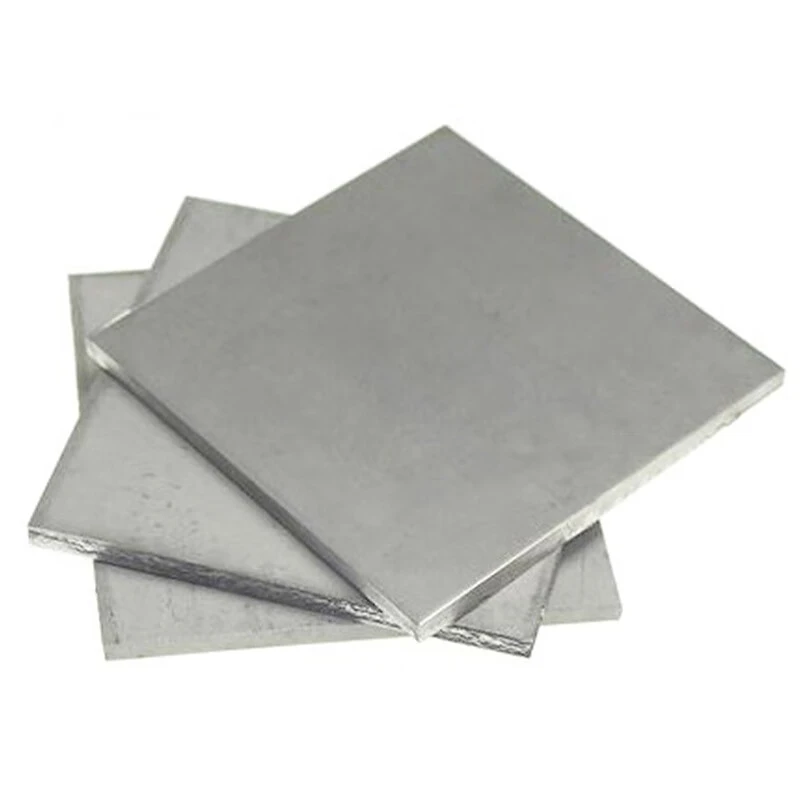
Understanding Cold Rolled Titanium Plates
Defining the Cold Rolling Process
The cold rolling process changes titanium material by compressing it several times at room temperature. In contrast to hot rolling, which thins out metal at high temperatures, this process strengthens the metal at room temperature while also improving the structure of its grains. As a result, the cold-rolled titanium plate is harder and has better tensile strength than its hot-rolled predecessor.
Superior Mechanical Properties
By applying controlled pressure, cold-rolled titanium plate can get a higher yield strength without losing its ability to bend. Work-hardening makes the material more resistant to warping, which makes it perfect for uses that will be under a lot of stress. This mix between strength and weight is especially useful for buyers who need parts for airplane fuselage panels or medical bone fixation plates, where every gram counts toward operating efficiency.
Refined Surface Finish and Dimensional Control
When we compare cold and hot processing methods, we see big differences in the quality of the surface. The cold rolling process makes a finish that is smooth, free of oxides, and usually has a surface roughness value below 0.4μm. This precise surface gets rid of the alpha-case contamination layer, which is a major issue for plate heat exchangers that need to keep fluid from leaking because of tight gasket closing. When the dimensions are the same across the width of the cold-rolled titanium plate, "crown" flaws don't happen, which is bad for the structural uniformity of precision parts.
Influence on Grain Structure and Corrosion Resistance
Room-temperature processing improves the microstructure, which makes the grain pattern thicker and more regular. This property of the metal makes it more resistant to rust, which is especially useful in chloride-rich places like desalination plants or offshore fishing platforms. Getting rid of small cracks on the surface during processing stops crevice rust starting places that could shorten the life of the component.
The Cold Rolling Process Explained
Step-by-Step Manufacturing Methodology
To start the production process, we start with hot-rolled titanium blocks that are descaling to get rid of any oxides that are on the surface. After being cleaned, the material goes into multi-stand rolling mills, where hydraulic pressure rollers make each pass thinner than the last. Stress-relief annealing is done on the material between passes to keep it from working too hard, which could lead to cracks during later reductions.
Equipment and Control Parameters
Modern cold rolling lines for cold rolled titanium plate have thickness tracking systems that use laser measure technology to work in real time. These systems can tell when the width of the cold-rolled titanium plate is different and change the roller pressure automatically to keep the thickness the same. Even though processing can happen at room temperature, temperature tracking is still important because the frictional heat that is created during rolling needs to be actively cooled to stop localized microstructural changes. Precision tension control systems in modern mills keep the shape flat and stop edges from breaking.
Quality Inspection Methods
Several spot checks are done during production to make sure that the materials are still solid. Ultrasonic testing that meets AMS 2631 Class A1 standards can find internal laminations that can't be seen from the outside. At regular times, mechanical sampling is done, and tensile pieces are taken out to check the yield strength, final tensile strength, and elongation values. Chemical research using neutral gas fusion checks the levels of interstitial elements, especially the hydrogen content, which needs to stay below 0.015% to keep the structure from breaking down.
Comparative Analysis with Hot Rolled Variants
Hot rolling saves money when making thick sections, but it lowers the quality of the surface and the accuracy of the measurements. The high-temperature method makes an oxide scale that needs to be removed chemically or mechanically, which adds steps to the process afterward. The flatness and precision of thickness of cold-rolled titanium plate make it ready for production. When buying requirements call for precision smaller than ±0.25mm or ends that can be welded directly without being prepared, cold processing is the best option, even though it costs more per unit.
Applications and Industry-Specific Benefits
Aerospace Structural Components
Cold-rolled titanium plate is used by aircraft makers for fuselage skin panels and bulkhead shims because it reduces weight, which directly affects fuel economy. The material can handle temperature changes that go from -50°C at high altitude to 400°C close to engine rooms without stress cracks spreading. Because it is flexible, complicated aerodynamic shapes can be stamped out of it without it breaking. This means it can meet the strict tolerances needed in aircraft while still remaining structurally sound under high-G loads.
Marine and Chemical Processing Equipment
Plate heat exchangers are mostly used in chemical plants and facilities that remove salt from seawater. A smooth surface finish makes it easy for heat to move, and the material's resistance to chloride stress corrosion lets the gauge size be cut down to 0.4mm, which increases thermal efficiency without affecting the structure. Offshore platform workers like the material because it doesn't break down quickly in hydrogen sulfide conditions, where regular stainless steels do.
Medical Device Manufacturing
Orthopedic implant makers need materials that are safe and don't leach any ions into body fluids that are electrolytic. Cold processing creates a cold-rolled titanium plate that is thick and free of inclusions. This stops metallosis, which is a major cause of failure in long-term implants. The material is good for making pacemaker housings because it can be used with magnetic resonance imaging and keep airtight seals that protect sensitive electronics.
Automotive and Energy Sectors
Engineers who work on high-performance cars use cold-rolled titanium plate in turbocharger housings and exhaust systems because it is strong at high temperatures and doesn't expand or contract much. The material's ability to resist fire and absorb impact energy is used to make battery casings for electric vehicles. It is used in power plants' condenser tubes, where ocean cooling makes corrosion conditions that would quickly porosity copper-nickel options.
Lifecycle cost savings for cold rolled titanium plate can be seen in case studies from top original equipment makers. A European aerospace group found that using cold-rolled titanium plate instead of aluminum in wing spar uses cut the weight of regional aircraft by 18%. This saved a lot of fuel over the life of the aircraft.
Making the Right Procurement Decisions
Material Grade Selection
Grades 1-4, which are commercially pure, offer the best corrosion protection for chemical processing uses. Strength increases linearly with oxygen level across all grades. Grade 5 Ti-6Al-4V is stronger and better for aircraft structure parts that need to work at high temperatures. The people who work in procurement have to find the best mix between the cost of materials and how well they work for the job. For general industry use, Grade 2 is often the best compromise between cost and performance.
Comparing Alternative Materials
Stainless steel costs less at first, but it needs to be thicker to be as strong, so the weight savings are lost. Nickel metals are also resistant to rust, but they are denser and cost more to make because they use more raw materials. When you add up the total cost of ownership, which includes how often you have to replace things and how often they need to be maintained, titanium's sturdiness often explains the higher price.
Key Purchase Considerations
Different providers have very different minimum order amounts. High-volume producers may need pledges of several tons, while specialized fabricators can handle smaller batches with faster delivery. Lead times vary from four to twelve weeks, based on the grade that is needed and the size requirements. When custom width or length needs go beyond what a normal mill can do, the cold-rolled titanium plate supplier needs to be involved early on in the planning process.
Supplier Qualification Criteria
Certification paperwork for cold rolled titanium plate is necessary for businesses that are controlled. Registration under AS/EN 9100 means that the aircraft quality system is being followed, and registration under ISO13485 means that the company can make medical devices. Buyers should ask for test reports on materials that can be linked to particular heat lots. These reports should include chemical makeup analysis and proof of mechanical properties. Audit records and customer references for suppliers can help you figure out how reliable their delivery is and how quickly they can help with technology issues.
Inspection and Quality Assurance of Cold Rolled Titanium Plates
Critical Inspection Protocols
Using calibrated micrometers to check the dimensions shows that the thickness is the same on all cold-rolled titanium plate sides. When you look at something under controlled lighting, you can see surface flaws like scratches, laps, or rolling marks that could lead to wear cracks. According to ASTM E290, ductility must be proven by bending the material 180 degrees around certain curves without cracking. This proves that the material can be shaped for later production processes.
Mechanical Property Validation
According to ASTM E8 standards, tensile testing checks the yield strength, the final tensile strength, and the elongation rates. These numbers must be within the ranges given for each grade in the ASTM B265 standards. Using the Rockwell or Vickers methods to test for hardness quickly checks the quality of the material, and the results can be used to confirm the tensile properties of new cold-rolled titanium plates.
Corrosion Resistance Verification
ASTM B117 salt spray testing mimics sea exposure conditions, but titanium is naturally passive, so it doesn't usually show much damage. For important uses, electrochemical potentiodynamic tests may be needed to find out how stable the passive film is in certain process media. These tests help choose materials for places that have halogens or reducing acids.
Storage and Handling Best Practices
When you store things properly, you keep them from getting dirty, which could make them less weldable. Cold-rolled titanium plates should be kept in secure packaging until they are made, and they should be kept in climate-controlled spaces to keep wetness from condensing. Steel should not come into touch with handling tools because iron contamination forms galvanic corrosion sites. Supply chain tracking through barcode systems that connect real items to digital records of certification makes sure that compliance paperwork follows finished parts as they are made.
Conclusion
Cold-rolled titanium plates are used to solve important engineering problems where accuracy in measurements, surface integrity, and mechanical dependability cannot be compromised. The production process has clear benefits over hot-rolled options because it allows for better control of thickness, a smoother microstructure, and surfaces without flaws. Professionals in procurement can gain a competitive edge by learning about the guidelines for grade selection, certification, and source qualification. Because the material has been used successfully in aircraft, medicine, chemical processing, and marine settings, it should be specified whenever biocompatibility, rust resistance, or optimizing strength to weight are important factors in the design process. Strategic relationships with qualified makers guarantee stable quality, technical support, and the stability of the supply chain, all of which are important in settings where quality is important.
FAQ
How does cold rolling improve titanium plate properties compared to hot rolling?
At room temperature, cold rolling reduces the amount of material that is used. This makes work hardening happen, which raises the yield strength and stiffness. The process gets rid of the oxide scale that forms during hot rolling, giving the surface of the cold-rolled titanium plate a better finish with a roughness value below 0.4μm. Dimensional tolerances get smaller, to ±0.05mm instead of ±0.25mm like they are in hot-rolled material, which means less post-processing is needed.
What thickness standards should I specify for different industrial applications?
For weight efficiency, aerospace structure parts usually use 0.5mm to 3mm gauges. Plate heat exchangers use widths between 0.4 mm and 1 mm to get the most heat transfer. Based on the size of the device, medical implant pieces run from 2 mm to 8 mm. Chemical processing tank linings usually say 3mm to 6mm so that there is room for rusting over many years of use.
Can I order custom sizes and specific titanium grades?
Trustworthy makers can meet unique width and length needs as long as they don't go over the mill's capacity limits, which are usually up to 1500mm wide and 6000mm long. Customization of grade includes widely pure versions as well as alloys made just for that purpose. Drawing-based production services, such as CNC machining, can deliver cold-rolled titanium plate parts that are almost exactly the right shape, which cuts down on the steps you have to take to prepare the parts yourself and the waste of materials.
Partner with MICRO-A for Premium Cold Rolled Titanium Plate Supply
XI'AN MICRO-A Titanium Metals is ready to help you meet your buying needs by providing approved cold-rolled titanium plate that is made to the highest international standards. Our AS/EN 9100 and ISO13485:2017 approvals show that we can serve the aircraft and medical industries, where quality is essential. With the ability to produce 160 tons per year, supported by 2,500-ton hydraulic presses and precision cold rolling mills, we keep a large collection to quickly meet the needs of both prototypes and production numbers. Our technical team can help you choose the right materials for your purpose by giving you expert advice on grade choice and size requirements. We are a well-known company that makes cold-rolled titanium plates. Our main office is in Baoji, which is the center of titanium production in China. We offer full supply chain openness, including full material traceability and full test documents. You can email our sourcing experts at mayucheng188@aliyun.com to talk about your project needs, ask for samples of materials, or get detailed quotes that are based on your number and delivery needs.
References
Boyer, R., Welsch, G., and Collings, E.W. Materials Properties Handbook: Titanium Alloys. ASM International, 1994.
Donachie, Matthew J. Titanium: A Technical Guide, 2nd Edition. ASM International, 2000.
Lutjering, Gerd and Williams, James C. Titanium, 2nd Edition: Engineering Materials and Processes. Springer, 2007.
Peters, M., Kumpfert, J., Ward, C.H., and Leyens, C. "Titanium Alloys for Aerospace Applications." Advanced Engineering Materials, Volume 5, Issue 6, 2003.
Schutz, R.W. and Watkins, H.B. "Recent Developments in Titanium Alloy Application in the Energy Industry." Materials Science and Engineering A, Volume 243, Issues 1-2, 1998.
ASTM International. ASTM B265-20a: Standard Specification for Titanium and Titanium Alloy Strip, Sheet, and Plate. ASTM International, 2020.