




Titanium Hex Bar: Key Benefits for Precision Manufacturing
When precision manufacturing demands materials that deliver exceptional performance without compromise, titanium hex bars emerge as the optimal solution. These hexagonal-shaped titanium rods combine the inherent benefits of titanium's superior strength-to-weight ratio with geometric precision that eliminates machining waste. The hexagonal cross-section provides built-in gripping surfaces for automated equipment while maintaining dimensional accuracy across flats within h7-h9 tolerances. Manufacturing facilities across aerospace, medical device production, and chemical processing industries rely on titanium hex bars to create components that withstand extreme environments while meeting strict quality certifications.
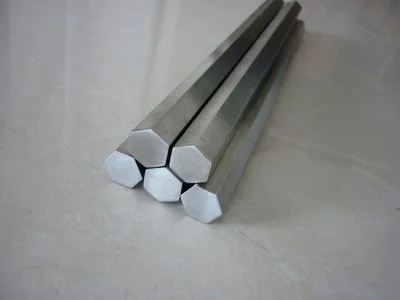
Understanding Titanium Hex Bar Performance Parameters
Grade-Specific Performance Characteristics
The execution characteristics of titanium hex bars are closely tied to their particular fabric grades and the exactness of their creation forms. Review 2 titanium offers uncommon erosion resistance whereas keeping up a pliable quality of up to 345 MPa, making it especially reasonable for applications in chemical preparing where solidness and formability are key. On the other hand, Review 5 titanium (Ti-6Al-4V) conveys predominant mechanical properties with pliable quality coming to up to 895 MPa, which is why it is regularly utilized in requesting aviation applications for components like latches and basic parts that require tall strength-to-weight ratios.
Dimensional Specifications and Manufacturing Precision
The dimensional run of titanium hex bars ordinarily ranges from 6mm to 150mm over pads, with standard lengths expanding up to 6 meters. Progressed fabricating strategies can accomplish dimensional resistances of ±0.13mm or indeed more tightly, depending on client prerequisites, guaranteeing the exactness vital for high-performance applications. Surface wraps up can change from standard prepare wraps up to high-precision cleaned surfaces, depending on the needs of the particular end-use application.
Geometric Advantages and Machining Efficiency
The hexagonal geometry of these bars gives noteworthy preferences amid CNC machining forms. Not at all like circular bars, hex bars kill fabric squander when creating components like nuts, jolts, and strung clasp. Moreover, the six-sided profile anticipates turn amid machining, which increments operational productivity and decreases setup time, driving to more noteworthy efficiency and fetched reserve funds in high-volume fabricating situations. This combination of execution, accuracy, and preparing productivity makes titanium hex bars a imperative component in different businesses.
Core Benefits for Industrial Manufacturing
Mechanical and Weight Advantages
Titanium hexagonal bars provide quantifiable points of interest that straightforwardly affect fabricating effectiveness and item execution. The lightweight nature of titanium decreases component weight by roughly 40% compared to steel reciprocals whereas keeping up comparable quality characteristics. Temperature steadiness permits titanium components to keep up auxiliary astuteness over extraordinary temperature ranges. Working temperatures from -253°C to 600°C do not compromise fabric properties, guaranteeing solid execution in aviation and mechanical applications.
Environmental and Application-Specific Properties
Corrosion resistance stands as maybe the most basic advantage for cruel environment applications. Titanium shapes a defensive oxide layer that avoids corruption in saltwater, acids, and chlorine situations. This characteristic dispenses with the galvanic erosion issues common with disparate metal assemblies. The non-magnetic properties of titanium hex bars demonstrate fundamental in delicate electronic situations and restorative applications. Components fabricated from these materials won't meddle with attractive reverberation imaging gear or exactness electronic instruments. Biocompatibility makes titanium hexagonal bars perfect for therapeutic gadget fabricating. The fabric coordinating consistently with human tissue without causing antagonistic responses, making it culminate for surgical rebellious and implantable devices.
MICRO-A's Superior Manufacturing Standards
Advanced Manufacturing and Quality Control
At MICRO-A, our titanium hex bar generation surpasses industry guidelines through progressed fabricating forms and thorough quality control. Our office in Baoji, China's titanium capital, leverages over seven a long time of specialized titanium preparing expertise. Our fabricating capabilities incorporate vacuum dissolving innovation that guarantees fabric immaculateness and consistency. The three-stage vacuum bend remelting (VAR) prepare disposes of pollutions and makes homogeneous fabric properties all through each bar. This prepare outperforms standard industry hones and conveys predominant fabric reliability.
Certifications, Testing, and Supply Chain Integration
Quality certifications counting ISO9001, AS9100, and ISO13485 illustrate our commitment to assembly aviation, defense, and restorative industry prerequisites. These certifications approve our quality administration frameworks and guarantee steady item delivery. Our in-house testing offices perform comprehensive fabric confirmation counting chemical composition investigation, mechanical property testing, and dimensional review. Each bunch gets fabric certification recording compliance with ASTM B348, AMS 4928, and AMS 4954 standards. Unlike numerous providers who depend on outside sources, MICRO-A keeps up coordinate associations with essential titanium makers. This relationship guarantees fabric traceability and steady supply accessibility indeed amid showcase fluctuations.
Optimizing Titanium Hex Bar Applications
Material Selection and Pre-Processing Considerations
Maximizing the benefits of titanium hexagonal bars requires legitimate fabric choice and handling strategies. Review determination ought to adjust with particular application prerequisites - Review 2 for chemical resistance need, Review 5 for strength-critical applications, and Review 23 for restorative devices. Storage conditions essentially affect fabric quality. Keep titanium hex bars in dry situations absent from defilement sources. Stainless steel capacity racks avoid cross-contamination that might compromise erosion resistance properties. Pre-machining review guarantees dimensional compliance some time recently exorbitant preparing starts. Confirm across-flat measurements, straightness, and surface condition coordinate details. This hone anticipates generation delays and fabric waste.
Machining and Heat Treatment Optimization
When machining titanium hex bars, keep up sharp cutting instruments and utilize fitting cutting speeds to anticipate work solidifying. Surge coolant frameworks offer assistance oversee warm era amid machining operations. The hexagonal geometry diminishes setup time since the level surfaces give normal reference focuses for fixturing. Heat treatment contemplations shift by review and planning application. Review 2 titanium ordinarily requires push alleviation toughening, whereas Review 5 may advantage from arrangement treatment and maturing for ideal quality properties.
Critical Implementation Guidelines
Machining and Fabrication Guidelines
Successful implementation of titanium hex bars in engineering applications requires careful attention to specific handling, processing, and fabrication guidelines to maximize performance and ensure quality. Titanium's low thermal conductivity presents a unique challenge compared to metals like steel or aluminum, requiring modified machining parameters to achieve optimal results. The material's heat retention can lead to excessive tool wear if the right cutting speeds and feed rates are not maintained. As a result, specialized machining techniques should be employed to avoid overheating and to ensure clean, precise cuts. Selecting the proper cutting tools is essential for achieving the desired surface finishes and extending tool life. Carbide tools with sharp geometries are generally the best choice for titanium machining, as they offer superior hardness and durability. To prevent the formation of a built-up edge, it is important to maintain consistent feed rates and use adequate cooling during machining. Proper cooling reduces heat buildup, prolonging tool life and ensuring a smooth, clean surface finish.
Welding, Surface Preparation, and Quality Control
When welding titanium components, the use of inert gas shielding is essential to prevent contamination and ensure joint integrity. Argon gas protection should be applied on both the weld face and the root side to maintain high-quality welds. Contamination during welding can lead to brittle zones that undermine the mechanical properties and structural integrity of the finished component. Surface preparation is also critical before any secondary operations such as coating or further processing. Light pickling or mechanical cleaning is necessary to remove oxidation and contamination, ensuring proper adhesion for coatings or effective secondary processing. Throughout the manufacturing process, maintaining quality documentation is vital for traceability. Many end-use applications require a complete material genealogy, from the raw material source to the final inspection, ensuring transparency and accountability at every stage of production.
Conclusion
Titanium hex bars represent the intersection of material science excellence and manufacturing efficiency. These precision-engineered components deliver weight savings, corrosion resistance, and dimensional accuracy that traditional materials cannot match. MICRO-A's advanced manufacturing capabilities and comprehensive quality systems ensure your titanium hexagonal bar specifications are met consistently. The combination of superior material properties and geometric advantages makes titanium hex bars the optimal choice for precision manufacturing applications across aerospace, medical, and industrial sectors.
Frequently Asked Questions
Q1: What tolerance levels can MICRO-A achieve on titanium hex bars?
A: MICRO-A maintains dimensional tolerances of ±0.13mm as standard, with tighter tolerances available based on specific requirements. Our precision manufacturing equipment and quality control systems ensure consistent dimensional accuracy across production runs.
Q2: How does titanium hex bar pricing compare to round bar alternatives?
A: While titanium hex bars carry slightly higher initial costs than round bars, the material savings during machining operations often result in lower total component costs. The hexagonal geometry eliminates waste material typically removed when machining round stock into hexagonal shapes.
Q3: What certifications accompany MICRO-A titanium hex bar shipments?
A: Each shipment includes material test certificates documenting chemical composition, mechanical properties, and dimensional compliance. Additional certifications such as aerospace material specifications (AMS) or medical device requirements are available upon request.
Partner with MICRO-A for Premium Titanium Hex Bar Manufacturing
MICRO-A delivers exceptional titanium hex bar solutions that meet the demanding requirements of precision manufacturing operations. As a trusted titanium hex bar manufacturer, we combine advanced production capabilities with comprehensive quality assurance to ensure your components exceed performance expectations. Our technical expertise and responsive customer service support your project success from initial specification through final delivery. Contact mayucheng188@aliyun.com today to discuss your titanium hex bar requirements and discover how our manufacturing excellence can enhance your production efficiency.
References
1. Boyer, R.R. "An Overview on the Use of Titanium in the Aerospace Industry." Materials Science and Engineering: A 213, no. 1-2 (1996): 103-114.
2. Donachie, Matthew J. "Titanium: A Technical Guide, 2nd Edition." ASM International, Materials Park, OH (2000).
3. Peters, M., Kumpfert, J., Ward, C.H., and Leyens, C. "Titanium Alloys for Aerospace Applications." Advanced Engineering Materials 5, no. 6 (2003): 419-427.
4. Rack, H.J. and Qazi, J.I. "Titanium Alloys for Biomedical Applications." Materials Science and Engineering: C 26, no. 8 (2006): 1269-1277.
5. Welsch, G., Boyer, R., and Collings, E.W. "Materials Properties Handbook: Titanium Alloys." ASM International, Materials Park, OH (1994).
6. Zwicker, U. "Titanium and Titanium Alloys." Springer-Verlag, Berlin Heidelberg (1974).