




What is the Acoustic Property of a Pure Titanium Sheet?
Understanding acoustic behaviour is important when looking for materials for uses that need to be resistant to noise or shaking. A pure titanium sheet has unique acoustic qualities, including a modest sound speed (about 5,090 m/s for longitudinal waves), a low acoustic resistance compared to steel, and great damping capacity because its crystal structure is hexagonal close-packed (HCP). Because of these features, economically pure (CP) titanium sheets work really well in situations where controlled sound transfer, pressure reduction, and structure health tracking are needed. Types of grades affect the acoustic response in different ways. Grade 1 has better damping because it has less interstitial content, while Grade 2 is the standard for heat exchangers, aerospace structures, and medical devices that need to be both acoustically clear and resistant to corrosion.
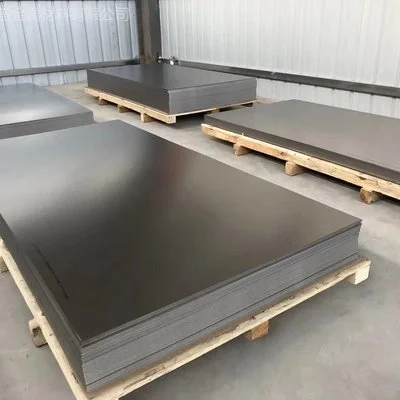
Understanding the Acoustic Properties of Pure Titanium Sheets
The way things behave with sound waves is determined by their acoustic qualities, which include things like speed, damping, absorption, and reflection. These traits have a direct effect on how well technology works in manufacturing settings where managing noise and shaking is important.
Defining Key Acoustic Parameters in Titanium Materials
Sound velocity in titanium sheets tells us how fast sound waves move through the material. The longitudinal wave velocity of CP titanium is about 5,090 m/s and the shear wave velocity is about 3,125 m/s. These are very different speeds from those of stainless steel (5,790 m/s) and aluminium (6,320 m/s). When you mix titanium's modest speed with its mass of 4.51 g/cm³, you get lower sound resistance. This makes it easier for vibration events to release energy. Another important factor is the material's damping capacity, which shows how well it can turn mechanical energy into heat. The HCP lattice structure and grain boundary interactions in pure titanium make it naturally damper better than many other metals, which lowers resonance amplitudes when dynamic loading happens.
How Crystal Structure and Density Influence Sound Transmission
The hexagonal close-packed crystal structure of CP titanium causes anisotropic acoustic behaviour, which means that sound waves move at different speeds based on the direction of the crystals. This feature of the material's microstructure, along with its middling density, creates acoustic impedance gaps at grain borders. This scatters phonons and slows down the transmission of coherent waves. Titanium's HCP lattice lets slip systems absorb vibrating energy more effectively than aluminum's face-centered cubic structures. This means that combined parts are quieter. MICRO-A's production methods, which include controlled rolling and heating steps, make the best use of grain size distribution to improve these sound-dampening effects while still meeting ASTM B265 standards for material stability.
Factors Affecting Acoustic Behavior in Titanium Sheets
Acoustic efficiency is directly related to sheet thickness. Thinner sizes (0.5-2mm) have higher natural frequencies and lower damping ratios, while bigger parts (10-50mm) have higher mass damping and lower resonant frequencies. Finishing the surface is not very important; milled surfaces scatter ultrasonic waves in a different way than polished or pickled finishes, which changes how accurate the inspection is during non-destructive testing. Choosing the right grade is also very important. Grade 1, which has no more than 0.18% oxygen, is the most flexible and good at damping sound. Grade 2, which has 0.25% oxygen, is a good mix between strength and sound absorption. Grade 4, which is close to alloy-level strength, loses some of its ability to dampen sound. Changes in temperature, humidity, and contact to acidic media can change the thickness of the protected oxide layer, which can cause small changes in the audio resistance over the span of the device. When choosing materials for pressure tanks, sound panels, or sonar equipment housings, procurement teams need to think about these factors.
Why Acoustic Properties Matter in Industrial Application?
Acoustic properties of pure titanium sheet affect the dependability of products, the safety of operations, and compliance with regulations in many areas. Knowing these effects helps to support the choice of materials during buying processes.
Noise Reduction and Vibration Damping in Aerospace and Automotive
Materials that keep structure vibrations from engines and wind turbulence to a minimum are needed in aircraft cabins. Titanium sheet parts in aircraft panels and engine nacelles use natural damping to cut noise levels for passengers by 3–5 dB compared to aluminium parts that do the same job but are heavier. More and more, the aircraft industry asks for Grade 2 CP titanium to be used in firewall systems and acoustic walls where both flame protection and sound absorption are needed. Manufacturers of cars, especially those that make electric cars, have to deal with new sound problems now that noise from the engine can't hide noise from the road and the wind. Titanium sheets are used to make battery covers and structural supports that keep vibrations from getting into the passenger cabins from the battery packs. MICRO-A sells aerospace-grade sheets that are fully traceable to their raw materials and are certified by AS/EN 9100. This makes sure that every batch meets the sound uniformity standards needed for flight-critical uses.
Structural Health Monitoring Through Acoustic Emission Testing
An rising amount of modern industrial equipment uses acoustic emission (AE) tracking to find cracks, rust, and joint integrity loss in real time. Because pure titanium is acoustically clear, sensor arrays can pick up on high-frequency stress waves caused by microstructural failures with little signal loss. Chemical processing plants use titanium heat exchangers with AE sensors to find small cracking problems before they become big problems. This cuts down on unplanned downtime by up to 40%. The material's steady sound velocity across working temperature ranges (up to 425°C) means that sensor calibration stays accurate over time. This is different from stainless steels, where phase changes cause velocity drift. As part of our quality control procedures, we use an ultrasonic C-scan to check all of our sheet goods for internal soundness and to set standard audio signals that customers can use during in-service tracking programs.
Comparing Acoustic Performance: Pure Titanium vs. Alloys and Alternative Metals
Titanium alloys like Ti-6Al-4V have higher tensile strength than CP titanium, but they sound very different. Adding aluminium and vanadium raises the acoustic velocity to about 6,100 m/s and the acoustic resistance, which makes dampers less effective. Titanium has a higher resistance than stainless steel 316L, but it is more likely to crack under stress in salt conditions, which makes it less stable over time. Aluminium metals have great sound velocity for ultrasonic inspection, but they don't have the ability to dampen vibrations well enough for uses that need it. A cost study shows that titanium sheet has higher starting material costs, but in harsh or high-stress settings, it often has a 20–35% lower total cost of ownership due to less upkeep, longer service intervals, and not needing protection coats. When purchasing managers look at how well a sound system works, they have to compare these practical factors to the initial cost.
Technical Insights: How Are the Acoustic Properties of Pure Titanium Sheets Measured and Tested?
To accurately characterise something, you need to use specific testing methods that are in line with industry norms. These methods check that the material meets the standards and make sure that each batch is the same.
Ultrasonic Testing Methods and Industry Standards
Ultrasonic pulse-echo testing is still the most common way to check the soundproofing of pure titanium sheet in factories. At frequencies between 5 and 10 MHz, longitudinal wave detectors figure out the speed of sound by measuring its time-of-flight through samples of known thickness. ASTM E494 sets standards for how to measure speed and calls for temperature control (±2°C) and properly calibrated reference blocks. Values below 0.05 dB/mm at 5 MHz show great internal quality. Attenuation coefficients, which are measured in dB/mm, show how much energy is lost as ultrasonic sounds travel through the material. Our testing lab uses automatic plunge tank systems with digital audio analysis to find flaws in the ground as small as 0.8 mm in diameter and record sound speeds with a range of ±0.5%. Mill Test Reports (MTRs) include recorded sound properties, chemical makeup, and tension data for every sheet that leaves our plant. These reports give customers a full picture of the material for their quality systems.
Correlation Between Acoustic Behavior and Mechanical Properties
Elastic modulus is directly related to acoustic velocity. For example, Grade 2 titanium's modulus of about 105 GPa makes sound speeds that can be used to check the state of heat treatment without damaging the material. Because of leftover stress effects on lattice spacing, annealed material has slightly slower speeds than tempers that have been cold worked. The ability to absorb energy is directly related to its yield strength. Grades with higher oxygen content (Grade 4) absorb less energy than Grade 1, even though they have better tensile qualities. When choosing materials for things like medical tool handles (where vibration damping keeps users from getting tired) versus pressure vessel walls (where strength rules the design), this trade-off needs to be carefully thought through. While corrosion resistance is mainly a chemical property, it has an indirect effect on long-term acoustic stability. For example, titanium's self-healing oxide layer keeps the same acoustic impedance even after years of being exposed to seawater, unlike copper-nickel alloys where surface wear causes acoustic artefacts that make inspection more difficult.
Manufacturing Process Influence on Acoustic Quality
Acoustic uniformity is affected by rolling factors in a big way. Multi-pass cold rolling creates the desired crystalline roughness and causes up to 3% differences in the speed between the rolling and crosswise directions. Our cold rolling line can work with sheets that are between 0.5 mm and 50 mm thick. It uses computer-controlled reduction plans to keep material differences to a minimum while maintaining exact measurement limits. After annealing processes at 650–750°C, any remaining stresses are released and microstructures become more uniform. This stabilises the sound properties and lowers the variation in velocity between production lots. Different surface processes, like pickling in HF/HNO₃ solutions or mechanical grinding, have different effects on the near-surface acoustic impedance. Surfaces that have been pickled perform better in immersion tests for ultrasonic coupling, while surfaces that have been ground have slightly higher scattering coefficients. Buyers who need consistent sound levels for sonar or precise ultrasonic welding should ask for an annealed temper with a pickled finish and include ASTM B265 surface finish standards in their purchase paperwork.
Selecting the Right Pure Titanium Sheet Based on Acoustic and Other Properties
When choosing materials, you have to weigh a lot of performance factors against cost and supply chain issues. To do strategic buying, you need to know the differences between grades and what your suppliers can do.
Grade Comparison: Acoustic Profiles and Application Suitability
Pure titanium sheet Grade 1 has the lowest amount of intermediate elements and the best formability. It has the highest damping capacity (loss coefficient ~0.004) and is perfect for deep-drawn acoustic chambers and vibration-damping panels in medical imaging equipment. Its low tensile strength (240 MPa at most) means it can't be used in load-bearing buildings, but it's useful when soundproofing is more important than mechanical needs. Grade 2 is the workhorse of the business; it has a tensile strength of 345 MPa and good damping qualities (a loss coefficient of about 0.003). This grade is mostly used for heat exchangers in desalination plants, where sound tracking can find tube failures, and for chemical processing equipment that needs to be resistant to rust and have a strong structure. Grade 4, which has a strength of about 550 MPa, is good for high-pressure tanks but doesn't do a good job of damping noise. This is fine when mechanical performance is the most important thing and noise isn't a concern. MICRO-A keeps all grades and sizes in stock, ranging from 0.5 mm to 50 mm. This lets us quickly meet the needs of prototypes or production numbers up to our 160-ton yearly capacity.
Balancing Performance Requirements with Procurement Realities
Specifications for acoustics must match standards for mechanical properties, weather exposure, and the ability to be made. A buying guide should make sure that: (1) the acoustic velocity and damping goals match the frequency ranges needed for the job; (2) the tensile and yield strengths meet the structural calculations with the right safety factors; (3) the corrosion resistance covers the worst chemical exposures and temperature extremes; and (4) the formability supports the planned manufacturing processes like welding, CNC machining, or press forming. It is more cost-effective to optimise these factors instead of over-specifying them. For example, a Grade 2 sheet can often meet sound needs for less money than upgrading to a metal grade that isn't needed. Standard mill finishes usually have lead times of 25 to 30 business days. However, special surface processes or non-standard sizes may cause plans to slip. Minimum order numbers depend on the thickness. Our flexible manufacturing method can handle trial quantities (10–50 kg) through production runs (multi-ton orders). Our strategic partnerships with Baoti Group ensure that we can get raw materials even when the market is down.
Identifying Qualified Suppliers: Certifications and Technical Support
Reliable providers show quality by having well-known certifications and being able to work with customers quickly and effectively. The ISO13485:2017 certification means that the quality systems are medical-grade and necessary for implantable devices. The AS/EN 9100 certification means that the systems are compliant with aerospace industry standards and include strict process controls and configuration management. Environmental certification ISO14001 means that a company is using responsible manufacturing practices, which are becoming more and more important because of business sustainability goals. It's not enough to just look at a supplier's qualifications; you should also look at their testing options. Ultrasonic inspection, chemical analysis using optical emission spectrometry, and mechanical testing according to ASTM E8 standards are all separate ways to make sure that mill certificates are correct. Technical support is what sets strategic partners apart from basic providers. During the product development process, having access to metallurgists who can suggest grades based on sound needs, help with weldability studies, or fix forming problems is very helpful. The technical team at MICRO-A has decades of experience handling titanium. They offer customisation services based on drawings and can provide thorough acoustic property data beyond standard MTRs to help with finite element modelling and design validation.
Conclusion
Acoustic qualities of pure titanium sheet CP titanium sheets include a modest sound velocity, good damping capacity, and steady acoustic resistance. This makes them a good choice for industrial uses that need to be quiet. A material's acoustic performance is directly affected by its crystal structure, grade choice, and production methods. This means that sourcing workers have to choose materials with both mechanical and acoustic factors in mind. As industries move toward predictive maintenance through structural health monitoring and regulatory pressure to reduce noise grows, titanium's unique mix of acoustic transparency, corrosion resistance, and lightweight design makes it a material that can help in the medical, chemical processing, and aerospace industries. By choosing approved providers with a wide range of testing tools and technical know-how, you can be sure that the materials you buy will meet both short-term and long-term performance needs.
FAQ
Why does pure titanium work better than stainless steel for dampening noise?
The hexagonal close-packed crystal structure of titanium provides internal friction processes that get rid of vibrating energy better than the face-centered cubic lattice of stainless steel. Because the material has a lower elastic modulus, it can absorb more strain energy during dynamic loading. This lowers the sound amplitude in a way that can be measured. Stainless steel has a higher acoustic resistance, which means that energy is reflected more at the edges than it is lost internally. This means that it is not as good for designs that need to be damping-critical.
What effect does the width of the material have on how sound travels through titanium sheets?
Thinner sheets (less than 2 mm) have higher natural frequencies and less mass damping, which means they can respond to high-frequency movements but not as well to low-frequency noise. Thick parts (more than 10 mm) have better low-frequency damping because of mass effects, but they may also bring sound wave echoes that make ultrasonic analysis harder. The best width choice is based on the frequency ranges you want to use and the way the structure will be loaded in your individual application.
Can surface processes or grinding be used to change the way something sounds?
Changes in surface roughness affect how sound waves are coupled during ultrasonic tests, but they only have a small effect on the bulk dampening qualities. Adding leftover compression forces during CNC cutting can slightly increase absorption capacity, and electro-polishing can lower surface impedance differences. Selecting the right grade and heat treatment is more important than post-processing alone when it comes to making big changes to the sound. However, using both methods together is best for certain uses, like making sonar sensor housings.
Partner with MICRO-A for Acoustically Optimized Titanium Solutions
To find the best balance between sound performance and material stability, you need a provider who knows about both metals and the needs of the application. MICRO-A Titanium Metals has advanced manufacturing tools like 3-ton vacuum furnaces, 2500-ton hydraulic presses, and Japan Mazak five-axis CNC systems, along with ISO13485:2017, AS/EN 9100, and ISO14001 certifications. They can make pure titanium sheet products that meet the strictest mechanical and acoustic requirements. Our expert team can customise your order based on drawings, test sound properties beyond standard MTRs, and provide fast engineering support throughout the entire product development cycle. We keep a collection of sheets from 0.5 mm to 50 mm thick, with full tracking. This includes Grade 1 material for medical damping uses and Grade 2 sheets for desalination heat exchangers that need to measure sound emissions. You can email us at mayucheng188@aliyun.com to talk about your specific acoustic needs, get approved samples with proven acoustic properties, or get cheap quotes from a reliable pure titanium sheet maker who cares about the success of your project.
References
Boyer, R., Welsch, G., & Collings, E.W. (1994). Materials Properties Handbook: Titanium Alloys. ASM International, Materials Park, Ohio.
Schutz, R.W. & Thomas, D.E. (1987). "Corrosion of Titanium and Titanium Alloys," Metals Handbook, Volume 13: Corrosion, ASM International.
Peters, M., Kumpfert, J., Ward, C.H., & Leyens, C. (2003). "Titanium Alloys for Aerospace Applications," Advanced Engineering Materials, Volume 5, Issue 6.
ASTM International (2021). ASTM B265-20a: Standard Specification for Titanium and Titanium Alloy Strip, Sheet, and Plate. West Conshohocken, Pennsylvania.
Lütjering, G. & Williams, J.C. (2007). Titanium: Engineering Materials and Processes, Second Edition. Springer-Verlag Berlin Heidelberg.
Graff, K.F. (1991). Wave Motion in Elastic Solids. Dover Publications, New York, covering acoustic wave propagation in crystalline materials.