




You Need to Know About Titanium Wire: Properties and Uses
When critical applications demand materials that won't fail under extreme conditions, engineers face a difficult choice: compromise on weight, strength, or corrosion resistance. High Strength Titanium Wire solves this dilemma by delivering exceptional performance across all three parameters. In aerospace, medical, and industrial sectors where material failure isn't an option, understanding titanium wire's unique properties and applications becomes essential for making informed procurement decisions that ensure project success and long-term reliability.
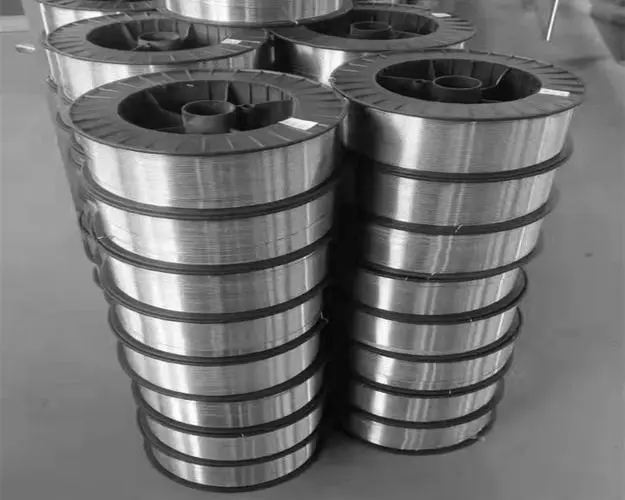
Understanding High Strength Titanium Wire Fundamentals
High Strength Titanium Wire represents a pinnacle of materials engineering, combining the inherent advantages of titanium with specialized processing techniques that maximize performance characteristics. The material achieves its exceptional properties through precise alloy composition and controlled manufacturing processes that create a microstructure optimized for strength, flexibility, and durability. Manufacturing begins with premium-grade titanium alloys such as Ti-6Al-4V and Ti-3Al-2.5V, which undergo vacuum melting in sophisticated furnaces to ensure purity and consistent composition. The resulting ingots are then processed through multiple forging and rolling stages, with each step carefully monitored to develop the desired grain structure and mechanical properties. The titanium wire strength derives from both its crystalline structure and the specific alloying elements incorporated during production. Aluminum and vanadium additions in Ti-6Al-4V alloy enhance strength while maintaining ductility, creating a material that resists deformation under load yet remains workable for complex applications. Wire drawing operations further refine the material, reducing diameter while increasing tensile properties through work hardening effects. Advanced cold rolling techniques can produce titanium wire with diameters ranging from 0.1mm to 10mm, maintaining consistent mechanical properties throughout the size range. This manufacturing precision ensures that High Strength Titanium Wire delivers reliable performance regardless of application specifications.
Material Composition and Alloy Selection
Selecting the appropriate titanium alloy grade directly impacts wire performance in specific applications. Commercially pure titanium offers excellent corrosion resistance and biocompatibility, making it ideal for medical implants and chemical processing equipment where material reactivity must be minimized. The Ti-3Al-2.5V alloy provides enhanced strength compared to pure titanium while retaining superior cold formability, proving valuable for tubing applications in aerospace hydraulic systems. Meanwhile, Ti-6Al-4V represents the most widely used titanium alloy globally, accounting for approximately half of all titanium production due to its outstanding balance of strength, toughness, and processing characteristics. The titanium wire tensile strength varies significantly based on alloy selection and processing history. Commercially pure titanium wire typically exhibits tensile strengths between 240-550 MPa, while Ti-6Al-4V wire can achieve tensile strengths up to 1380 MPa in specially processed conditions. Yield strength values similarly range from 170-1100 MPa depending on grade and heat treatment, providing engineers with options to match material properties precisely to application requirements. Elongation characteristics, typically ranging from 10-15% for high-strength grades, ensure sufficient ductility for forming operations while maintaining structural integrity under service loads.
Processing Techniques and Quality Standards
Manufacturing High Strength Titanium Wire requires sophisticated equipment and rigorous process control to achieve specified properties consistently. Vacuum arc remelting eliminates impurities and ensures homogeneous composition throughout ingots weighing up to three tons. Heavy lathes machine ingot surfaces to remove any surface defects before forging operations begin. The 50 MN hammering press and 2500-ton high-speed forging press transform ingots into billets, slabs, and bars with refined grain structures that optimize mechanical properties. Subsequent hot rolling and cold rolling operations progressively reduce dimensions while enhancing strength through controlled deformation. Quality control measures throughout production ensure every meter of wire meets stringent international standards including ASTM B863, AMS 4967, and ISO 5832-3. Material traceability systems track each production lot from raw material receipt through final inspection, enabling comprehensive documentation for critical applications. Mechanical testing verifies tensile strength, yield strength, and elongation values, while chemical analysis confirms alloy composition within specified tolerances. Surface inspection detects any flaws that could compromise performance, with various finish options including bright, pickled, or custom treatments available to meet specific application needs.
Key Properties That Define Performance
Superior Strength-to-Weight Ratio
The exceptional strength-to-weight ratio of High Strength Titanium Wire makes it indispensable for weight-sensitive applications where every gram matters. With density approximately 40% lower than steel yet strength comparable to high-strength steel alloys, titanium wire enables significant weight reductions without sacrificing structural integrity. This property proves particularly valuable in aerospace applications where reducing aircraft weight directly improves fuel efficiency and payload capacity. Fasteners, springs, and structural components manufactured from titanium wire can replace heavier steel equivalents, contributing to overall vehicle weight reduction while maintaining safety margins. In medical device manufacturing, the lightweight nature of titanium wire allows creation of implants and prosthetics that minimize patient burden while providing necessary mechanical support. Surgical instruments benefit from reduced hand fatigue during lengthy procedures, while dental devices become more comfortable for patients. The material's high specific strength enables designers to optimize component geometry, creating thinner cross-sections that reduce profile while maintaining load-bearing capacity. Advanced manufacturing techniques including 3D printing utilize titanium wire as feedstock, producing complex geometries with optimized material distribution that maximizes strength while minimizing mass.
Exceptional Corrosion and Heat Resistance
Titanium wire's outstanding corrosion resistance stems from its ability to form a stable, protective oxide layer when exposed to oxygen. This passive film regenerates spontaneously if damaged, providing continuous protection against aggressive environments including seawater, acids, and chloride solutions. Marine applications benefit enormously from this property, with corrosion-resistant fittings and components maintaining integrity for decades without degradation. Chemical processing equipment constructed with titanium wire withstands harsh process conditions that rapidly corrode alternative materials, reducing maintenance costs and extending service life. Heat resistance capabilities allow High Strength Titanium Wire to perform reliably at elevated temperatures where other materials lose strength or oxidize. Ti-6Al-4V alloy maintains useful mechanical properties at temperatures up to 400°C, enabling applications in automotive exhaust systems and aerospace propulsion components. The material's low thermal expansion coefficient minimizes dimensional changes during thermal cycling, maintaining precision fits in assemblies subjected to varying temperatures. Heat exchangers and reactor components fabricated from titanium wire deliver superior performance in demanding thermal environments, combining corrosion resistance with thermal stability for long-term reliability.
Biocompatibility and Medical Applications
The biocompatibility of titanium makes High Strength Titanium Wire uniquely suitable for medical applications where material must interface with living tissue without causing adverse reactions. Surgical implants manufactured from titanium wire demonstrate excellent osseointegration, allowing bone tissue to bond directly with implant surfaces for secure, long-lasting fixation. Orthopedic devices including spinal fusion cages, bone plates, and joint replacement components rely on titanium's biocompatibility to ensure patient safety and implant longevity. Dental implants fabricated from titanium wire provide stable foundations for prosthetic teeth, with success rates exceeding 95% over decades of clinical use. The material's inert nature prevents release of potentially harmful ions into surrounding tissues, eliminating concerns about metallosis or inflammatory responses that plague some alternative materials. Cardiovascular devices including pacemaker leads and heart valve components utilize titanium wire's biocompatibility and corrosion resistance to ensure reliable function within the demanding environment of the human body. Regulatory approvals including ISO 13485:2017 medical management system certification verify that manufacturing processes meet rigorous standards for medical device production, giving healthcare providers confidence in material quality and consistency.
Industrial Applications and Use Cases
Aerospace and Defense Applications
Aerospace manufacturers depend on High Strength Titanium Wire for components where reliability is non-negotiable and failure could result in catastrophic consequences. Fasteners securing critical structural elements must withstand extreme loads while resisting corrosion from environmental exposure throughout the aircraft's service life. Springs in landing gear assemblies require materials that maintain spring characteristics through thousands of compression cycles without fatigue failure. Structural components including wire forms and cable assemblies benefit from titanium's strength-to-weight ratio, enabling lighter designs that improve aircraft performance and fuel economy. Military applications demand materials capable of performing under the most severe conditions imaginable, from arctic cold to desert heat, with exposure to saltwater, jet fuel, and hydraulic fluids. High Strength Titanium Wire meets these requirements through its combination of strength, corrosion resistance, and temperature stability. AS/EN 9100 aerospace and defense organization quality management system certification ensures manufacturing processes maintain the rigorous standards required for defense applications. The titanium wire tensile strength specifications ranging up to 1380 MPa provide safety margins necessary for critical load-bearing applications where material performance directly impacts mission success.
Medical Device Manufacturing
Medical device manufacturers increasingly specify High Strength Titanium Wire for applications ranging from surgical instruments to permanent implants. The material's biocompatibility enables intimate contact with body tissues without rejection or adverse reactions, while its strength supports mechanical loads imposed during normal physiological function. Orthopedic implants including bone screws, plates, and wire fixation systems utilize titanium's ability to promote bone growth around implant surfaces, creating stable, long-lasting repairs. Minimally invasive surgical instruments fabricated from titanium wire combine strength with flexibility, allowing navigation through small incisions while maintaining necessary rigidity for tissue manipulation. Dental applications exploit titanium wire's unique combination of properties for implants that must function in the corrosive oral environment while supporting substantial biting forces. Orthodontic wires manufactured from titanium alloys deliver gentle, consistent forces for tooth movement while resisting fracture during extended treatment periods. Cardiovascular devices require materials that resist corrosion from blood and body fluids while maintaining mechanical properties essential for device function. The comprehensive quality control measures including 100% material traceability and regular mechanical testing ensure every batch of wire meets medical device standards, protecting patient safety and supporting regulatory compliance.
Marine and Chemical Processing
Marine environments present some of the most challenging conditions for materials, combining saltwater corrosion with mechanical stresses from waves and currents. High Strength Titanium Wire excels in these applications, with corrosion resistance far superior to stainless steel or other marine-grade materials. Fittings and fasteners manufactured from titanium wire maintain integrity for decades without the pitting or crevice corrosion that degrades alternative materials. Rigging components and cable assemblies benefit from the strength-to-weight ratio, supporting necessary loads while minimizing weight aloft that could affect vessel stability. Chemical processing equipment requires materials that resist attack from acids, bases, and aggressive chemicals while maintaining structural integrity at elevated temperatures and pressures. Titanium wire's passive oxide layer provides protection against a broad range of chemical environments, enabling use in heat exchangers, reactor vessels, and piping systems where material failure could result in dangerous leaks or contamination. The material's resistance to chloride-induced stress corrosion cracking prevents catastrophic failures in chlorinated environments that cause rapid failure of austenitic stainless steels. Manufacturing facilities benefit from extended equipment life and reduced maintenance costs when specifying titanium wire for critical applications in aggressive service conditions.
Working with XI'AN MICRO-A Titanium Metals Co., Ltd.
Manufacturing Capabilities and Technical Expertise
XI'AN MICRO-A Titanium Metals Co., Ltd. operates state-of-the-art production facilities in Baoji, China's titanium city, combining decades of metallurgical expertise with advanced manufacturing equipment. Our specialized wire drawing equipment produces consistent diameters across the full range from 0.1mm to 10mm, maintaining tight tolerances critical for precision applications. Digital machining centers enable fabrication of complex titanium parts profiles according to customer drawings, samples, and technical requirements, supporting custom solutions for unique application needs. Centerless grinding and polishing equipment delivers surface finishes meeting specifications for bars with tolerances to h7, h8, or h9 as required. In-house testing laboratories provide real-time quality assurance, verifying mechanical properties, chemical composition, and dimensional accuracy throughout production. Our ISO 13485:2017 medical management system certification demonstrates capability to meet rigorous medical device standards, while AS/EN 9100 aerospace certification verifies compliance with defense industry requirements. Environmental management through ISO 14001 certification reflects our commitment to sustainable manufacturing practices. These quality systems ensure every coil of High Strength Titanium Wire leaving our facility meets or exceeds customer specifications and international standards.
Custom Solutions and Technical Support
Understanding that every application presents unique requirements, we offer comprehensive customization services to ensure our titanium wire perfectly matches your needs. Engineering support begins during the quotation phase, helping specify appropriate alloy grades, diameters, and mechanical properties for intended applications. Sample delivery services allow thorough evaluation of material properties before committing to production quantities, with typical delivery within 25-30 business days including detailed material certifications and test reports. This approach reduces risk and ensures confidence in material selection for critical applications. Our technical team provides ongoing support throughout your project, answering questions about material properties, processing techniques, and application-specific concerns. Whether you need assistance with forming operations, welding parameters, or surface treatment options, our materials experts draw on extensive experience to guide successful implementation. The flexibility of our manufacturing capabilities enables production of non-standard sizes and custom specifications that would be difficult or impossible to source elsewhere. This responsive approach to customer needs has established long-term partnerships with major enterprises across aerospace, medical, automotive, and industrial sectors.
Conclusion
High Strength Titanium Wire delivers unmatched performance for demanding applications requiring exceptional strength, corrosion resistance, and reliability. Its unique properties enable innovations across aerospace, medical, marine, and industrial sectors where material performance directly impacts project success and safety.
Cooperate with XI'AN MICRO-A Titanium Metals Co., Ltd.
Partner with a China High Strength Titanium Wire factory committed to excellence since 2017. As a leading China High Strength Titanium Wire supplier and China High Strength Titanium Wire manufacturer, we provide China High Strength Titanium Wire wholesale solutions with competitive pricing. Our High Strength Titanium Wire for sale offers exceptional value, with best High Strength Titanium Wire quality backed by comprehensive certifications. Competitive High Strength Titanium Wire price doesn't compromise performance—our strategic partnership with Baoti Group ensures premium materials and reliable supply. Contact us at mayucheng188@aliyun.com for customized solutions including drawing processing, non-standard parts, and private customization. Our advanced equipment, quality assurance protocols, and fast delivery network support your critical projects. Request a sample today to experience our commitment to precision and excellence. Bookmark this page for reference when evaluating titanium wire solutions for your applications.
References
1. "Titanium: A Technical Guide, Second Edition" by Matthew J. Donachie Jr., ASM International
2. "Corrosion of Titanium and Titanium Alloys" by Robert W. Schutz and David E. Thomas, ASM Handbook Volume 13B
3. "Titanium Alloys for Aerospace Applications" by R. Boyer and D. Eylon, Materials Science and Engineering
4. "Medical Applications of Titanium and Its Alloys" by James K. Weiss, ASTM International
5. "Properties and Processing of Titanium Wire" by G. Lutjering and J.C. Williams, Engineering Materials and Processes