




ASTM F136 Titanium Sheet Benefits: Biocompatible, Durable, Versatile
When medical device manufacturers face implant rejections or aerospace engineers encounter material failures, the consequences can be catastrophic. The solution lies in selecting the right material from the start. ASTM F136 Titanium Sheet stands as the premium choice for critical applications where biocompatibility, durability, and versatility cannot be compromised, delivering exceptional performance in environments ranging from human bodies to extreme aerospace conditions.
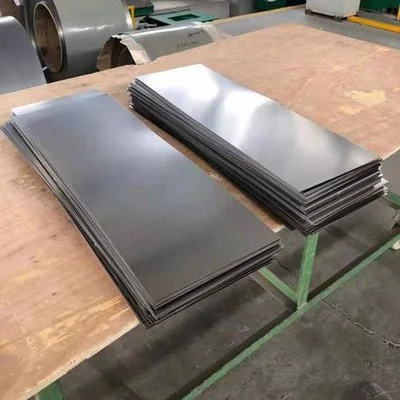
Understanding ASTM F136 Titanium Sheet Composition and Standards
ASTM F136 Titanium Sheet represents a specialized titanium alloy known as Ti-6Al-4V ELI, where ELI denotes Extra Low Interstitial. This designation is critical because it signifies that oxygen, carbon, nitrogen, and iron content are deliberately minimized below standard Ti-6Al-4V levels. The composition typically contains six percent aluminum and four percent vanadium, with the balance being titanium. This precise formulation creates a material that combines the natural biocompatibility of titanium with enhanced mechanical properties from the alloying elements. The ASTM F136 standard specifically governs the chemical, mechanical, and metallurgical requirements for wrought annealed titanium alloy intended for surgical implant applications. Manufacturers must adhere to strict composition tolerances, with oxygen content limited to a maximum of 0.13 percent compared to 0.20 percent in standard grade Ti-6Al-4V. This reduction in interstitial elements significantly improves ductility and fracture toughness, making ASTM F136 Titanium Sheet particularly suitable for load-bearing medical implants and high-stress aerospace components. The cold rolling process used in sheet production further refines the microstructure, ensuring consistent mechanical properties throughout the material thickness ranging from 0.5mm to 50mm.
Key Technical Specifications of ASTM F136 Titanium Sheet
The mechanical properties of ASTM F136 Titanium Sheet distinguish it from other titanium grades and conventional materials. The material exhibits a minimum tensile strength of 860 MPa, coupled with a yield strength of at least 795 MPa, ensuring structural integrity under extreme loads. The elongation percentage exceeds ten percent, indicating excellent ductility that allows the material to absorb energy and resist crack propagation. This combination of high strength and ductility is particularly valuable in medical implants where the material must withstand cyclic loading without failure. The annealed heat treatment condition stabilizes the microstructure, creating an optimal balance between strength and formability. Surface finishes available for ASTM F136 Titanium Sheet include mill finish, 2B finish, bright annealed, and polished conditions, each serving specific application requirements. The material maintains dimensional stability across width ranges up to 1500mm, accommodating diverse manufacturing needs from small precision components to large structural panels. Quality certifications for ASTM F136 Titanium Sheet typically include material composition analysis via spectrometry, mechanical property verification through tensile testing, and non-destructive testing using ultrasonic or radiographic methods to ensure internal soundness.
The Biocompatibility Advantage of ASTM F136 Titanium Sheet
Biocompatibility represents the cornerstone benefit of ASTM F136 Titanium Sheet, particularly for medical device manufacturers seeking materials that integrate seamlessly with human tissue. The extra low interstitial composition minimizes the presence of elements that could trigger inflammatory responses or allergic reactions when implanted in the human body. Clinical studies have demonstrated that ASTM F136 Titanium Sheet exhibits exceptional osseointegration properties, meaning bone tissue naturally bonds to the titanium surface without the formation of fibrous tissue interfaces that can lead to implant loosening or failure. This characteristic makes the material ideal for orthopedic implants including hip and knee replacements, spinal fusion devices, and trauma fixation plates. The passive oxide layer that forms naturally on titanium surfaces provides a bioinert barrier that prevents ion release into surrounding tissues, substantially reducing the risk of metal sensitivity reactions. Unlike stainless steel or cobalt-chromium alloys that can cause adverse tissue responses in sensitive patients, ASTM F136 Titanium Sheet maintains stability in the physiological environment over decades of service life. The material's compatibility extends beyond orthopedic applications to dental prosthetics, where titanium posts serve as artificial tooth roots, and cardiovascular devices where long-term blood contact demands absolute biocompatibility. Surgeons and medical device designers increasingly specify ASTM F136 Titanium Sheet for its proven track record of safety and effectiveness in the most demanding biological environments.
Medical Applications Leveraging Biocompatibility
The medical industry represents the largest consumer of ASTM F136 Titanium Sheet precisely because of its unmatched biocompatibility profile. Surgical implants manufactured from this material include joint replacement components where the sheet is formed into acetabular cups, tibial trays, and femoral components that must function flawlessly for twenty years or more within the human body. Spinal fusion cages fabricated from ASTM F136 Titanium Sheet provide structural support while allowing bone ingrowth through precisely engineered porous surfaces. Maxillofacial reconstruction plates utilize the material's formability to create custom contours matching individual patient anatomy, restoring both function and appearance after trauma or disease. Dental implant manufacturers select ASTM F136 Titanium Sheet for abutments and frameworks that interface directly with gingival tissue, where the material's resistance to bacterial colonization helps prevent peri-implantitis. Surgical instrument makers increasingly incorporate the alloy into reusable tools that require repeated sterilization without degradation or corrosion. The ability to machine ASTM F136 Titanium Sheet into complex geometries using digital machining centers enables production of patient-specific implants designed from CT scan data, advancing personalized medicine capabilities. Cardiovascular applications include heart valve components and pacemaker housings where the material's biocompatibility ensures long-term device function without adverse tissue reactions or electromagnetic interference issues.
Exceptional Durability and Corrosion Resistance
Durability distinguishes ASTM F136 Titanium Sheet from alternative materials in applications where failure is not an option. The material's exceptional strength-to-weight ratio, approximately forty percent lighter than stainless steel while maintaining comparable or superior strength, reduces structural mass without sacrificing performance. This weight advantage proves critical in aerospace applications where every gram of mass reduction translates to fuel savings and increased payload capacity over the aircraft's service life. The alloy's fatigue resistance enables components to withstand millions of stress cycles without crack initiation, essential for rotating machinery parts and structural elements subjected to vibration and dynamic loading. Corrosion resistance stems from the spontaneously forming titanium dioxide surface layer that regenerates instantly if scratched or damaged, providing perpetual protection against oxidation and chemical attack. ASTM F136 Titanium Sheet maintains structural integrity in harsh environments including marine atmospheres, chemical processing facilities, and high-temperature service up to 400 degrees Celsius. Unlike aluminum alloys that suffer stress corrosion cracking in chloride environments or carbon steel that rusts in moisture, the titanium sheet remains stable and reliable across decades of exposure. Heat resistance characteristics allow the material to retain mechanical properties at elevated temperatures where conventional materials would soften or creep, expanding design possibilities for thermal management applications.
Industrial Applications Requiring Extreme Durability
Industrial sectors leverage ASTM F136 Titanium Sheet's durability for demanding applications where material failure risks safety or economic consequences. Chemical processing equipment utilizes the sheet for reactor vessels, heat exchangers, and piping systems handling corrosive media including chlorine, acids, and alkalis that rapidly destroy conventional materials. The petroleum industry specifies titanium components for offshore platforms where seawater corrosion and hydrogen sulfide exposure create exceptionally hostile service conditions. Power generation facilities incorporate ASTM F136 Titanium Sheet in condenser tubing and steam turbine components where high temperatures and corrosive cooling water demand long-term reliability. Desalination plants rely on titanium heat exchangers that resist scaling and corrosion from concentrated brine solutions, maintaining thermal efficiency over extended operating periods. Marine applications include propeller shafts, valve components, and hull fittings where superior corrosion resistance eliminates maintenance costs and extends service intervals. Automotive manufacturers employ the material in high-performance racing engines where weight reduction and heat resistance provide competitive advantages. Defense contractors specify ASTM F136 Titanium Sheet for armor systems and military aircraft components requiring the ultimate combination of strength, light weight, and durability in combat environments.
Versatility in Manufacturing and Formability
Versatility represents a defining characteristic of ASTM F136 Titanium Sheet that enables designers to realize complex geometries and innovative solutions across diverse industries. The material's excellent formability allows fabrication through conventional metalworking processes including bending, deep drawing, stamping, and hydroforming, creating intricate shapes impossible with brittle or less ductile materials. Cold rolling production methods achieve thickness tolerances within microns, supporting precision applications where dimensional accuracy directly impacts performance. The sheet can be welded using gas tungsten arc welding, electron beam welding, or laser welding techniques, producing joints that maintain the base material's mechanical properties and corrosion resistance without degradation. Machining operations ranging from milling and turning to electrical discharge machining remove material predictably, allowing production of features with tight tolerances matching engineering specifications. Surface treatments including chemical etching, electropolishing, and physical vapor deposition coating further enhance properties or appearance without compromising the underlying material integrity. The ability to cut ASTM F136 Titanium Sheet using water jet, laser, or plasma methods accommodates both prototype development and high-volume production scenarios. Manufacturers appreciate the material's consistent quality that reduces scrap rates and processing difficulties common with less controlled alloys.
Customization Capabilities and Design Freedom
Design engineers value ASTM F136 Titanium Sheet for the creative freedom it provides in translating concepts into functional hardware. Custom thickness specifications accommodate applications ranging from delicate surgical mesh at 0.5mm thickness to robust structural panels exceeding 25mm, each optimized for specific load-bearing requirements. Width customization up to 1500mm supports large-format components while minimizing welded joints that might compromise strength or fatigue life. Surface finish options including polished conditions for aesthetic applications or textured surfaces for enhanced adhesion demonstrate the material's adaptability to diverse functional requirements. Heat treatment variations allow property modification to achieve specific strength-ductility balances matching application demands, from maximum formability for complex shaping operations to peak strength for structural components. The material responds predictably to forming operations, enabling production of compound curves, flanges, and embossments that would crack or tear in less ductile alloys. Digital machining centers process ASTM F136 Titanium Sheet into complex profiles following CAD models, supporting rapid prototyping and custom component manufacturing without tooling investments required for stamped parts. This manufacturing flexibility accelerates product development cycles while controlling costs, particularly valuable for specialized medical devices or limited-production aerospace components where traditional mass production approaches prove economically impractical.
Quality Assurance and Certification Standards
Quality assurance processes governing ASTM F136 Titanium Sheet production ensure materials consistently meet stringent specifications demanded by regulated industries. Manufacturers implementing ISO 13485:2017 medical device quality management systems demonstrate organizational commitment to producing implantable materials that satisfy regulatory requirements across global markets. AS/EN 9100 aerospace quality certification verifies production processes meet aviation industry standards for traceability, documentation, and defect prevention essential for flight-critical components. Material certifications accompanying each ASTM F136 Titanium Sheet lot include heat analysis confirming chemical composition compliance, mechanical test results documenting strength and ductility values, and traceability information linking finished product to raw material sources. Non-destructive testing methods including ultrasonic inspection detect internal discontinuities that could compromise performance, while surface inspection identifies cosmetic or structural defects before material reaches customers. Dimensional verification ensures thickness, width, and flatness parameters fall within specification limits using calibrated measurement equipment traceable to national standards. Quality control laboratories employ spectrometry for composition analysis, tensile testing machines for mechanical property verification, and metallographic examination for microstructure assessment, generating comprehensive documentation supporting material certification. This rigorous quality infrastructure provides manufacturers and end users confidence that ASTM F136 Titanium Sheet will perform reliably in critical applications where material failure could result in injury, death, or catastrophic system failure.
Conclusion
ASTM F136 Titanium Sheet delivers unmatched biocompatibility, durability, and versatility for medical, aerospace, and industrial applications where material performance directly impacts success and safety.
Cooperate with XI'AN MICRO-A Titanium Metals Co.,Ltd.
XI'AN MICRO-A Titanium Metals Co.,Ltd., founded in 2017 and headquartered in Baoji, China's titanium city, operates as a premier China ASTM F136 Titanium Sheet manufacturer and China ASTM F136 Titanium Sheet supplier with comprehensive capabilities spanning melting, forging, rolling, and precision machining. Our certifications including ISO 13485:2017, AS/EN 9100, and ISO 14001 verify our commitment to quality excellence. As a trusted China ASTM F136 Titanium Sheet factory, we provide best ASTM F136 Titanium Sheet through advanced equipment including our 50 MN hammering press, 2500-ton high-speed forging press, and digital machining centers producing custom components to your specifications. Our competitive ASTM F136 Titanium Sheet price structure, combined with extensive inventory and fast delivery through air, sea, or express shipping, ensures your projects stay on schedule. We offer China ASTM F136 Titanium Sheet wholesale options with sample delivery services typically completed within 25-30 business days, accompanied by comprehensive material certifications and test results. Whether you need ASTM F136 Titanium Sheet for sale for medical implants, aerospace components, or industrial applications, our team provides technical consultation, customized service based on your drawings and requirements, and dedicated after-sales support. Contact us at mayucheng188@aliyun.com to discuss how our expertise in titanium processing can support your next project with reliable, certified materials backed by our partnership with Baoti Group and decades of industry experience.
References
1. ASTM International. "Standard Specification for Wrought Titanium-6Aluminum-4Vanadium ELI (Extra Low Interstitial) Alloy for Surgical Implant Applications (UNS R56401)." ASTM F136-13.
2. Long, M. and Rack, H.J. "Titanium Alloys in Total Joint Replacement—A Materials Science Perspective." Biomaterials, Vol. 19, 1998.
3. Boyer, R., Welsch, G., and Collings, E.W. "Materials Properties Handbook: Titanium Alloys." ASM International, 1994.
4. Niinomi, M. "Mechanical Properties of Biomedical Titanium Alloys." Materials Science and Engineering: A, Vol. 243, 1998.
5. Donachie, Matthew J. "Titanium: A Technical Guide, 2nd Edition." ASM International, 2000.