




How titanium strips are made?
Understanding how titanium strips are manufactured is crucial for industries requiring high-performance materials that can withstand extreme conditions. Whether you're an aerospace engineer facing challenges with lightweight yet durable components, a medical device manufacturer seeking biocompatible materials, or a chemical processing specialist dealing with corrosive environments, the precise manufacturing process of titanium strips directly impacts your project's success. This comprehensive guide reveals the intricate steps involved in creating these exceptional materials, from raw material preparation through final quality control, ensuring you have the knowledge needed to make informed decisions about titanium strip sourcing and application requirements.
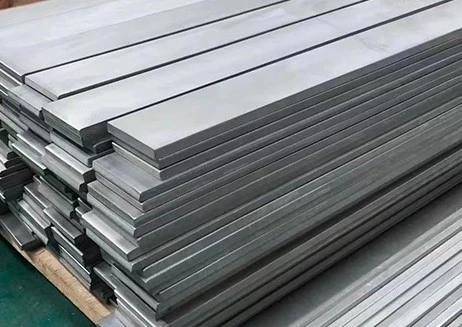
Understanding Titanium Strip Manufacturing Fundamentals
The manufacturing of titanium strips begins with understanding the unique properties that make titanium an exceptional material for demanding applications. The Kroll Process is the primary method used to produce pure titanium from titanium tetrachloride and magnesium, creating what is known as titanium sponge. This initial step is fundamental to all subsequent titanium strip production processes. Titanium strip manufacturing requires precise control of temperature, pressure, and atmospheric conditions throughout every stage. The process demands specialized equipment capable of handling titanium's reactive nature at elevated temperatures. Modern manufacturing facilities utilize advanced furnace systems, rolling mills, and quality control instruments to ensure consistent product characteristics. The challenge lies in maintaining the delicate balance between achieving desired mechanical properties while preventing contamination that could compromise the material's integrity.
Raw Material Preparation and Quality Control
The journey of titanium strip production starts with careful selection and preparation of raw materials. Titanium oxide is processed from either ilmenite or rutile through the Kroll process, producing titanium sponge which is purified, melted and alloyed with other metals. This titanium sponge undergoes rigorous quality testing to verify chemical composition, purity levels, and absence of harmful impurities. Quality control at this stage involves spectrographic analysis to confirm elemental composition, ensuring compliance with international standards such as ASTM B265. The raw materials are carefully segregated by grade and stored in controlled environments to prevent contamination. Any deviation from specified chemistry requirements can significantly impact the final strip's performance characteristics, making this preliminary quality control phase absolutely critical for successful titanium strip manufacturing.
The Melting and Casting Process for Titanium Strip Production
The transformation from titanium sponge to workable material occurs through sophisticated melting and casting processes. Modern titanium strip manufacturing employs vacuum arc remelting (VAR) or electron beam melting techniques to achieve the high temperatures necessary for titanium processing while maintaining precise atmospheric control. These methods prevent oxidation and contamination that could degrade material properties. The molten titanium is cast into ingots or slabs, which are then cooled and solidified, with this step being crucial as it determines the microstructure and mechanical properties of the final product. The casting process requires careful temperature management to prevent thermal shock and ensure uniform grain structure throughout the material. Cooling rates are precisely controlled to optimize the resulting microstructure for subsequent processing operations.
Ingot Formation and Homogenization
Following the initial melt, titanium ingots undergo homogenization heat treatment to eliminate chemical segregation and achieve uniform composition throughout the material. This process involves heating the ingots to specific temperatures for predetermined time periods, allowing atomic diffusion to occur and creating a homogeneous microstructure. The homogenization process is critical for ensuring consistent mechanical properties in the final titanium strip product. Temperature control during homogenization must be precise, as excessive heating can cause grain growth that compromises mechanical properties, while insufficient temperature may leave chemical inhomogeneities that affect strip performance. Advanced furnace systems with multiple heating zones and sophisticated temperature monitoring ensure optimal homogenization results. This stage typically requires several hours to complete, depending on ingot size and alloy composition.
Hot Rolling and Intermediate Processing Stages
The conversion of titanium ingots into strip form begins with hot rolling operations that reduce thickness while maintaining material integrity. Hot rolling of titanium strip requires temperatures typically ranging from 1650°F to 1900°F (900°C to 1040°C), depending on the specific titanium grade being processed. Controlling the heating and final forging temperature of the billet and the amount of forging deformation are important guarantees for obtaining high-quality titanium slabs. The hot rolling process involves multiple passes through progressively tighter roll gaps, gradually reducing the material thickness to approach final dimensions. Between rolling passes, the material undergoes reheating to maintain optimal processing temperature and prevent work hardening that could cause cracking or other defects. This iterative process requires careful monitoring of material temperature, reduction ratios, and surface quality to ensure successful strip formation.
Intermediate Heat Treatment and Surface Preparation
Between major processing steps, titanium strips undergo intermediate heat treatments to relieve stress and prepare the material for subsequent operations. These treatments, typically conducted in controlled atmosphere furnaces, help restore workability and prevent cracking during further processing. The specific heat treatment parameters depend on the titanium grade and intended final properties. Surface preparation becomes increasingly important as the strip approaches final dimensions. Scale removal through acid pickling or mechanical methods ensures clean surfaces essential for subsequent cold rolling operations. Surface quality directly affects the final strip's appearance and performance characteristics, making this preparation stage crucial for producing high-quality titanium strip products that meet stringent customer specifications.
Cold Rolling and Precision Thickness Control
Cold rolling represents the final dimensional control phase in titanium strip manufacturing, where precise thickness tolerances and surface finish requirements are achieved. This process occurs at room temperature using specialized rolling mills designed to handle titanium's work hardening characteristics. Cold rolling not only achieves final thickness but also imparts specific mechanical properties through controlled deformation. The cold rolling process for titanium strip requires multiple passes with small reduction ratios to prevent cracking and ensure uniform thickness distribution. Roll forces must be carefully controlled to achieve desired reduction while maintaining strip flatness and edge quality. Titanium sheets, strips, and tubes are bent using V-blocks or power brakes, with both hot and cold bending methods employed depending on material thickness and desired precision.
Final Annealing and Property Optimization
Following cold rolling, titanium strips undergo final annealing treatments to achieve specified mechanical properties and relieve processing stresses. The annealing process involves precise temperature and time control to optimize grain structure and achieve desired strength, ductility, and other mechanical characteristics. Different annealing cycles produce various temper conditions to meet specific application requirements. Atmosphere control during annealing prevents oxidation and maintains surface quality. Vacuum or inert gas atmospheres are typically employed to protect the titanium surface during high-temperature treatment. The cooling rate following annealing also influences final properties, with controlled cooling ensuring optimal microstructure and mechanical characteristics for the intended application.
Quality Control and Testing Procedures
Comprehensive quality control throughout the manufacturing process ensures titanium strips meet stringent industry standards and customer specifications. Testing procedures include dimensional verification, mechanical property evaluation, and chemical composition analysis. Advanced testing methods such as ultrasonic inspection detect internal defects that could compromise strip performance in critical applications. Mechanical testing involves tensile strength, yield strength, and elongation measurements to verify compliance with specification requirements. Hardness testing provides additional insight into material condition and processing effectiveness. Surface quality evaluation ensures freedom from defects that could initiate failure in service applications. Each lot of titanium strip undergoes rigorous inspection before shipment approval.
Advanced Characterization Techniques
Modern titanium strip manufacturing employs sophisticated characterization techniques to ensure product quality and consistency. X-ray fluorescence spectrometry verifies chemical composition, while optical microscopy examines microstructure and grain size. Electron microscopy provides detailed analysis of precipitates and other microstructural features that influence material properties. Non-destructive testing methods including ultrasonic inspection and eddy current testing detect subsurface defects without damaging the product. These advanced techniques ensure that only strips meeting the highest quality standards reach customers, providing confidence in critical applications where material failure could have serious consequences.
Industrial Applications and Performance Requirements
Titanium strips find extensive use across diverse industries due to their exceptional combination of strength, corrosion resistance, and biocompatibility. Aerospace applications demand materials capable of withstanding extreme temperatures and stress conditions while maintaining low weight. Medical applications require biocompatible materials that resist body fluid corrosion and maintain long-term stability. Chemical processing industries rely on titanium strips' corrosion resistance to handle aggressive chemicals and elevated temperatures. Marine applications benefit from titanium's resistance to seawater corrosion and fouling. Each application presents unique requirements that influence material selection, thickness specifications, and surface finish requirements, driving continued innovation in titanium strip manufacturing processes.
Conclusion
Titanium strip manufacturing represents a sophisticated balance of metallurgy, engineering, and quality control, transforming raw materials into high-performance components that enable critical applications across multiple industries through precise process control and advanced manufacturing techniques.
Cooperate with XI'AN MICRO-A Titanium Metals Co.,Ltd.
Founded in 2017 and headquartered in Baoji, China's renowned titanium city, XI'AN MICRO-A Titanium Metals Co.,Ltd. leverages rich titanium material resources and state-of-the-art manufacturing capabilities to deliver exceptional titanium products. Our comprehensive product range includes titanium sponge, ingots, plates, tubes, rods, castings, alloys, wire, flanges, and standard parts, serving diverse industrial requirements with precision and reliability.
Our company has earned prestigious certifications including ISO13485:2017 medical management system, AS/EN 9100 aerospace and defense quality management system, ISO14001 environmental management system, and national environmental assessment qualifications. These certifications demonstrate our commitment to maintaining the highest quality standards while implementing rigorous production and quality management protocols according to ISO9001 guidelines.
As original factory suppliers, we ensure stable supply chains while providing customers with sufficient inventory and competitive pricing on high-quality products. Our advanced equipment portfolio includes sophisticated machining processes utilizing high-end mechanical equipment and advanced machining centers, ensuring exceptional precision, efficiency, and reliability in every component we produce. Our 50 MN hammering press and 2500-ton high-speed forging press manufacture premium titanium products, while our cold rolling line produces titanium foil from 0.005mm to 0.4mm thickness.
Quality assurance remains paramount through strict quality control using advanced testing methods and multiple testing procedures that ensure all products meet international standards and customer requirements. We offer comprehensive customized services including custom drawings, samples, and technical requirement services, supporting product customization based on specific requirements to bring innovative ideas to life.
Our fast delivery guarantee operates through well-organized logistics networks supporting air, sea, and express shipping methods to meet specific timeline requirements. Whether you need China Titanium Strip factory direct supply, reliable China Titanium Strip supplier partnerships, trusted China Titanium Strip manufacturer solutions, competitive China Titanium Strip wholesale pricing, premium Titanium Strip for sale, transparent Titanium Strip price quotations, or the best Titanium Strip quality available, we deliver excellence. Contact our dedicated team at mayucheng188@aliyun.com for immediate assistance and discover why industry leaders choose our superior titanium solutions for their most demanding applications.
FAQ
Q: What is the typical production time for custom titanium strips?
A: Production time varies depending on specifications, but standard titanium strips typically require 25-30 business days from order confirmation to delivery.
Q: What thickness range can be achieved in titanium strip manufacturing?
A: Modern cold rolling techniques can produce titanium strips ranging from 0.005mm to 10mm thickness with precise dimensional control.
Q: Which titanium grades are most commonly used for strip production?
A: Grades 1, 2, 3, 4, and Ti-6Al-4V (Grade 5) are most frequently manufactured into strip form for various industrial applications.
Q: What quality certifications should I expect from titanium strip manufacturers?
A: Reputable manufacturers should provide ISO9001, AS/EN9100, and material certificates with complete chemical and mechanical property documentation.
References
1. Donachie, Matthew J. "Titanium: A Technical Guide, 2nd Edition." ASM International Materials Park, Ohio.
2. Lutjering, Gerd and Williams, James C. "Titanium: Engineering Materials and Processes." Springer-Verlag Berlin Heidelberg.
3. Boyer, Rodney and Welsch, Gerhard. "Materials Properties Handbook: Titanium Alloys." ASM International Materials Park.
4. Rack, Henry J. and Qazi, Javed I. "Titanium Alloys for Biomedical Applications." Materials Science and Engineering Reviews Journal.