



How to buy titanium strips?
Are you facing the challenge of sourcing high-quality titanium strips for your critical industrial applications? Whether you're working on aerospace components, medical devices, or precision manufacturing projects, finding the right Titanium Strip supplier can be overwhelming. The complexity of specifications, quality standards, and supplier reliability makes purchasing decisions difficult. This comprehensive guide will walk you through everything you need to know about buying Titanium Strip, from understanding key properties to selecting the right manufacturer, ensuring you make informed decisions that meet your project requirements.

Understanding Titanium Strip Properties and Applications
When considering how to buy titanium strips, understanding the fundamental properties of Titanium Strip is crucial for making the right purchasing decision. Titanium strips offer exceptional characteristics that make them indispensable in various high-performance applications across multiple industries.
High Strength and Lightweight Characteristics
The exceptional strength-to-weight ratio of Titanium Strip makes it an ideal choice for applications where weight reduction is critical without compromising structural integrity. This unique combination allows manufacturers to create lighter components while maintaining the durability required for demanding environments. The high strength properties of Titanium Strip enable engineers to design thinner, more efficient structures that reduce overall system weight, particularly beneficial in aerospace and automotive applications where every gram matters for fuel efficiency and performance optimization.
Corrosion Resistance and Heat Resistance Properties
One of the most significant advantages of Titanium Strip is its outstanding resistance to corrosion and high-temperature environments. This Titanium Strip maintains its structural integrity even when exposed to harsh chemicals, saltwater, and extreme temperature variations, making it perfect for marine, chemical processing, and high-temperature industrial applications. The oxide layer that naturally forms on the surface of Titanium Strip provides superior protection against environmental degradation, ensuring long-term reliability and reducing maintenance costs over the product lifecycle.
Biocompatibility and Medical Applications
The biocompatible nature of Titanium Strip makes it the preferred material for medical implants and devices. This Titanium Strip does not cause adverse reactions when in contact with human tissue, making it essential for pacemakers, surgical instruments, and implantable medical devices. The non-toxic properties combined with excellent corrosion resistance ensure that Titanium Strip remains stable and safe within the human body, providing reliable performance for critical medical applications where patient safety is paramount.
Essential Specifications for Titanium Strip Selection
Understanding the technical specifications of Titanium Strip is fundamental when making purchasing decisions. The right specifications ensure that your Titanium Strip will perform optimally in your specific application while meeting all necessary industry standards and requirements.
Material Grades and Alloy Compositions
Different grades of Titanium Strip offer varying properties suited for specific applications. Grade 1 through Grade 4 represent commercially pure titanium with increasing strength levels, while Grade 5 (Ti-6Al-4V) represents the most commonly used titanium alloy offering superior strength characteristics. When selecting Titanium Strip, consider that Grade 1 provides excellent formability and corrosion resistance, making it ideal for chemical processing equipment, while Grade 5 Titanium Strip offers higher strength properties suitable for aerospace and high-performance applications requiring maximum structural integrity.
Dimensional Specifications and Tolerances
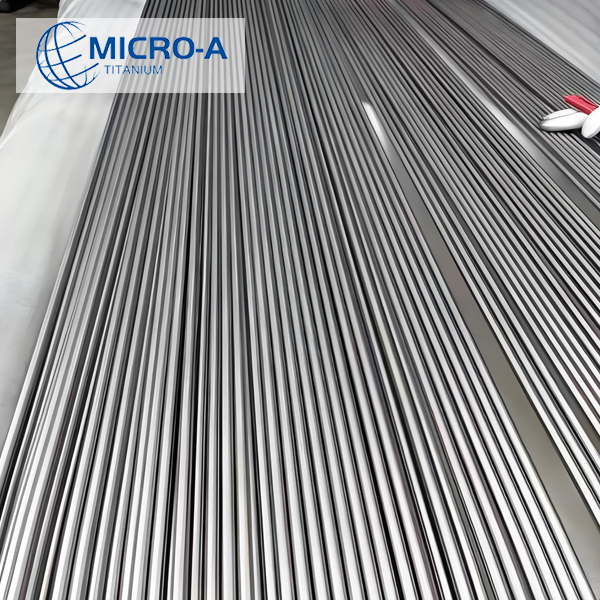
Precise dimensional control is critical when purchasing Titanium Strip for manufacturing applications. Width specifications typically range from 10mm to 1000mm, while thickness can vary from 0.1mm to 10mm depending on application requirements. The Titanium Strip tolerance levels must align with ASTM B265 standards to ensure consistent quality and compatibility with your manufacturing processes. Length specifications can be customized up to 30 meters, allowing for efficient production runs and minimizing waste in your operations.
Surface Finish and Temper Conditions
The surface finish and temper condition of Titanium Strip significantly impact its performance characteristics and suitability for specific applications. Milled, polished, or custom surface finishes provide different aesthetic and functional properties, while annealed or cold-worked temper conditions offer varying strength and formability characteristics. Selecting the appropriate combination ensures that your Titanium Strip will meet both performance requirements and processing needs throughout your manufacturing workflow.
Quality Certifications and Standards Compliance
Quality certifications play a crucial role in ensuring that your Titanium Strip meets the highest industry standards and regulatory requirements. Understanding these certifications helps buyers make informed decisions and ensures compliance with critical application requirements.
International Quality Standards
Reputable Titanium Strip manufacturers maintain compliance with multiple international quality standards including ISO9001, ISO13485:2017 for medical applications, and AS/EN 9100 for aerospace and defense applications. These certifications ensure that the Titanium Strip production processes meet stringent quality control measures and maintain consistency across all manufacturing batches. ISO14001 environmental management certification demonstrates the manufacturer's commitment to sustainable production practices while maintaining product quality excellence.
Material Testing and Verification
Comprehensive testing procedures verify that each batch of Titanium Strip meets specified requirements through raw material inspection, in-process quality checks, and final product testing. Chemical composition analysis, mechanical property testing, and dimensional verification ensure that the Titanium Strip conforms to customer specifications and industry standards. Certificate of compliance documentation provides traceability and verification of material properties, essential for critical applications where material performance is paramount.
Evaluating Titanium Strip Suppliers and Manufacturers
Selecting the right supplier is crucial for ensuring consistent quality, reliable delivery, and long-term partnership success. Evaluating potential Titanium Strip suppliers requires careful consideration of multiple factors that impact both product quality and business relationships.
Manufacturing Capabilities and Equipment
Advanced manufacturing capabilities indicate a supplier's ability to produce high-quality Titanium Strip consistently. Look for suppliers with state-of-the-art equipment including vacuum furnaces, high-capacity hydraulic presses, precision machining centers, and comprehensive testing facilities. Manufacturing capabilities such as cold rolling lines capable of producing Titanium Strip with thickness variations from 0.005mm to 0.4mm demonstrate technical expertise and equipment sophistication necessary for precision applications.
Production Capacity and Scalability
Understanding a supplier's production capacity helps ensure they can meet your current and future Titanium Strip requirements. Annual output capacity, equipment availability, and scalability options indicate whether the supplier can handle both small-scale prototyping and large-volume production runs. Suppliers with significant annual output capacity and multiple production lines can provide better supply chain stability and reduced lead times for urgent requirements.
Technical Support and Customization Services
Comprehensive technical support and customization capabilities distinguish superior Titanium Strip suppliers from basic material providers. Look for suppliers offering custom drawings processing, sample preparation services, and technical consultation throughout the purchasing process. The ability to provide tailored solutions based on specific requirements, including custom dimensions, surface treatments, and special processing, ensures that the Titanium Strip will meet your exact application needs.
Cost Considerations and Pricing Strategies
Understanding the various factors that influence Titanium Strip pricing helps buyers make cost-effective purchasing decisions while maintaining quality standards. Effective pricing strategies balance cost optimization with quality requirements and long-term value considerations.
Factors Affecting Titanium Strip Pricing
Multiple factors influence Titanium Strip pricing including raw material costs, processing complexity, quantity requirements, and customization levels. Grade selection significantly impacts pricing, with commercially pure grades typically costing less than specialized alloys like Ti-6Al-4V. Processing requirements such as precision rolling, surface treatments, and dimensional tolerances add value but increase costs. Understanding these factors helps buyers optimize their specifications to achieve the best balance between performance requirements and budget constraints.
Volume Discounts and Long-term Partnerships
Establishing long-term relationships with Titanium Strip suppliers often provides significant cost advantages through volume discounts, preferred pricing, and priority allocation during material shortages. Regular, predictable orders allow suppliers to optimize their production scheduling and offer better pricing structures. Partnership agreements may include inventory management services, scheduled deliveries, and technical support that provide additional value beyond simple material supply.
Sample Evaluation and Quality Verification
Proper sample evaluation ensures that the Titanium Strip meets your specifications before committing to larger orders. This critical step prevents costly mistakes and ensures compatibility with your manufacturing processes and application requirements.
Sample Request and Evaluation Process
Professional Titanium Strip suppliers provide comprehensive sample services with detailed material certifications and technical documentation. Sample evaluation should include dimensional verification, surface quality assessment, and compatibility testing with your processing equipment. Suppliers typically prepare samples within 25-30 business days, providing sufficient material for thorough evaluation while maintaining cost-effectiveness for both parties.
Testing and Verification Procedures
Comprehensive testing of Titanium Strip samples should include chemical composition analysis, mechanical property verification, and dimensional inspection. Verify that material certifications match actual sample properties and confirm compliance with relevant industry standards. Document all testing results for future reference and to establish baseline quality expectations for production orders.
Logistics and Delivery Considerations
Efficient logistics and reliable delivery are essential components of successful Titanium Strip purchasing. Understanding shipping options, lead times, and handling requirements ensures smooth supply chain operations and project timeline adherence.
Shipping Methods and Lead Times
Different shipping methods offer various advantages depending on urgency, quantity, and destination requirements. Air freight provides rapid delivery for urgent Titanium Strip requirements, while sea freight offers cost-effective transportation for large volume orders. Express delivery services accommodate critical timeline requirements, though at premium pricing. Understanding lead times for different shipping methods helps in project planning and inventory management.
Packaging and Material Handling
Proper packaging protects Titanium Strip during transportation and storage, preventing damage that could affect material properties or surface quality. Professional suppliers use appropriate packaging methods including protective wrapping, secure bundling, and proper labeling to ensure material integrity throughout the supply chain. Packaging considerations include moisture protection, physical damage prevention, and handling instructions for safe material management.
Building Long-term Supplier Relationships
Developing strong relationships with Titanium Strip suppliers provides numerous advantages including priority service, technical support, and preferential pricing. Long-term partnerships create mutual value and ensure reliable supply chain performance.
Communication and Technical Support
Effective communication with Titanium Strip suppliers ensures clear understanding of requirements, timely problem resolution, and continuous improvement opportunities. Regular technical discussions help optimize material specifications and processing parameters while identifying cost reduction opportunities. Suppliers providing responsive customer service and technical consultation add significant value beyond basic material supply.
Continuous Improvement and Feedback
Collaborative relationships with Titanium Strip suppliers enable continuous improvement in both product quality and service delivery. Regular performance reviews, feedback sessions, and joint problem-solving initiatives help optimize the entire supply chain. Suppliers committed to continuous improvement actively seek customer feedback and implement process enhancements that benefit all stakeholders.
Conclusion
Successfully buying titanium strips requires careful consideration of specifications, supplier capabilities, quality standards, and long-term partnership potential. Understanding the unique properties of Titanium Strip and matching them to your application requirements ensures optimal performance and value. By following this comprehensive guide, buyers can make informed decisions that result in successful projects and reliable supply chain partnerships.
Cooperate with XI'AN MICRO-A Titanium Metals Co.,Ltd.
XI'AN MICRO-A Titanium Metals Co.,Ltd., founded in 2017 and headquartered in Baoji, China's titanium city, stands as your trusted China Titanium Strip factory and China Titanium Strip supplier. As a leading China Titanium Strip manufacturer offering comprehensive China Titanium Strip wholesale services, we provide the best Titanium Strip for sale at competitive Titanium Strip price points. Our state-of-the-art production facilities, including 50 MN hammering presses and 2500-ton high-speed forging equipment, ensure superior quality titanium products meeting international standards.
Our comprehensive product portfolio includes titanium sponge, titanium ingots, titanium plates, titanium tubes, titanium rods, titanium castings, titanium alloys, titanium wire, titanium flanges, and titanium standard parts. With ISO13485:2017 medical management system certification, AS/EN 9100 aerospace and defense quality management system certification, and ISO14001 environmental management system certification, we guarantee the highest quality standards for all applications.
As an original factory supplier, we ensure stable supply chains with sufficient inventory and competitive pricing. Our advanced equipment and sophisticated machining processes deliver exceptional precision, efficiency, and reliability. We offer customized solutions including custom drawings, samples, and technical requirements services, supporting product customization based on your specific needs. Our fast delivery guarantee through well-organized logistics networks supports air, sea, and express shipping methods to meet your timeline requirements.
Ready to source premium titanium strips? Contact us today at mayucheng188@aliyun.com for customized solutions and competitive quotes. Bookmark this guide for future reference and experience our commitment to quality, service, and customer satisfaction firsthand.
FAQ
Q: What are the most common grades of titanium strips available?
A: The most common grades include Grade 1-4 (commercially pure titanium) and Grade 5 (Ti-6Al-4V alloy), each offering different strength and corrosion resistance properties for various applications.
Q: How do I determine the right thickness and width for my titanium strip application?
A: Consider your application requirements, manufacturing processes, and end-use performance needs. Consult with suppliers for technical guidance based on your specific project specifications.
Q: What certifications should I look for when buying titanium strips?
A: Look for ISO9001, ISO13485 (medical), AS/EN 9100 (aerospace), and material compliance certificates ensuring quality standards and traceability.
Q: What is the typical lead time for custom titanium strip orders?
A: Lead times vary depending on specifications and quantity, typically ranging from 25-30 days for samples to 45-60 days for production orders, depending on complexity and customization requirements.
References
1. "Titanium and Titanium Alloys: Fundamentals and Applications" - Leyens, C., Peters, M.
2. "ASM Handbook Volume 2: Properties and Selection of Nonferrous Alloys and Special-Purpose Materials" - ASM International Materials Committee
3. "ASTM B265 Standard Specification for Titanium and Titanium Alloy Strip, Sheet, and Plate" - American Society for Testing and Materials
4. "Titanium: Industrial Base, Price Trends, and Technology Initiatives" - Congressional Budget Office Industrial Analysis Division